Algorithmic Matching Systems: Pairing Player Profiles with Tailored Incentive Packages Across Reel and Dealer Interfaces
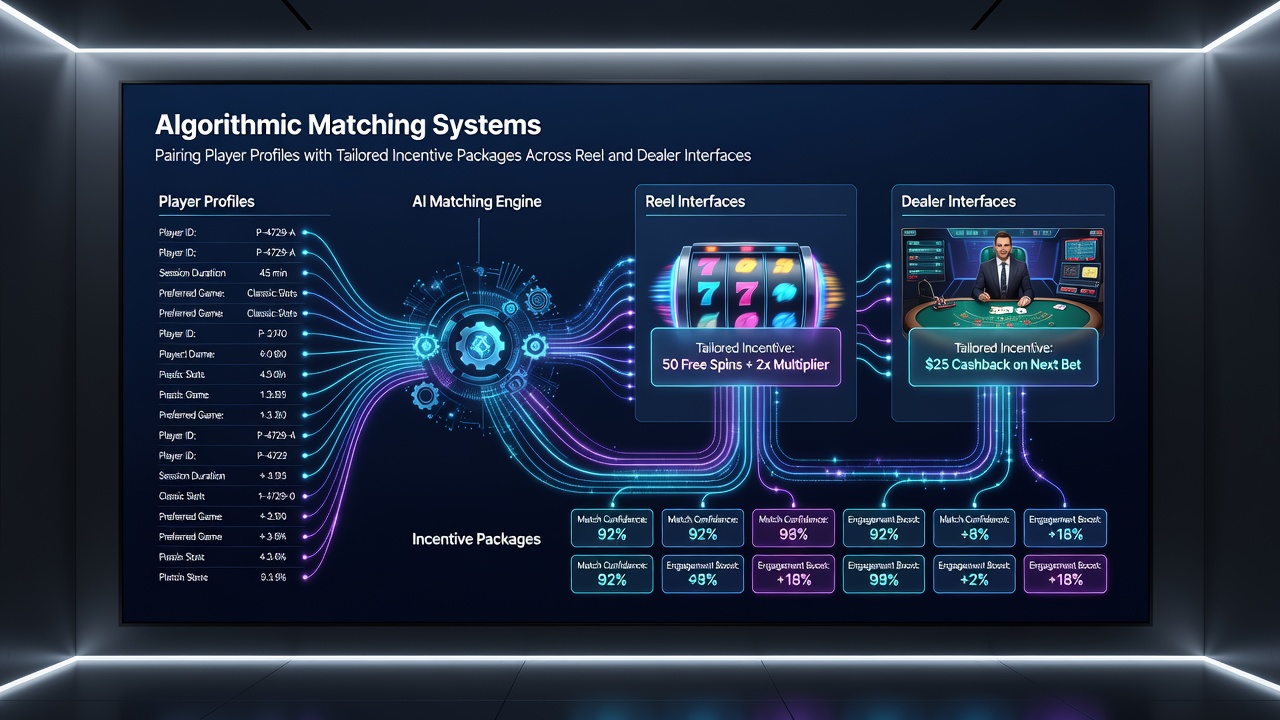
Algorithmic matching systems analyze extensive player data sets to connect individual profiles with customized incentive packages that span both reel-based slot machines and live dealer environments, and these platforms process behavioral metrics such as session duration, wager patterns, and game preferences through machine learning models that generate targeted offers in real time.
Operators deploy these frameworks to synchronize rewards across mobile apps and desktop interfaces, while data points collected include deposit frequency, game selection history, and response rates to prior promotions, allowing the algorithms to refine suggestions as new information arrives.
Core Components of Profile Analysis
Systems begin by segmenting users into clusters based on activity logs that capture everything from average bet size to time spent on progressive jackpot titles versus table games, and researchers at institutions like the University of Nevada Reno have documented how clustering techniques improve prediction accuracy for future engagement levels. The process incorporates variables such as device type, geographic location, and peak playing hours, which feed into decision trees that output specific incentive combinations like free spin bundles paired with live dealer cashback credits.
Updates occur continuously as players interact with either interface, so a sequence of reel spins followed by a dealer table session triggers recalibration of the next recommended package, and this dynamic adjustment relies on reinforcement learning loops that prioritize retention signals over static rules.
Cross-Interface Incentive Tailoring
Reel interfaces often receive volume-based multipliers on spins while dealer tables link to entry credits for private rooms or accelerated loyalty points, yet the matching engine ensures both reward streams align with the same underlying player profile to avoid fragmentation, and platforms integrate these elements so a user completing a slot session receives an immediate prompt for a live blackjack variant with matching deposit incentives.
Studies from the Responsible Gambling Council in Canada indicate that unified matching reduces redundancy in offers, adn operators report streamlined delivery when algorithms route notifications through a single user dashboard accessible on mobile or desktop.
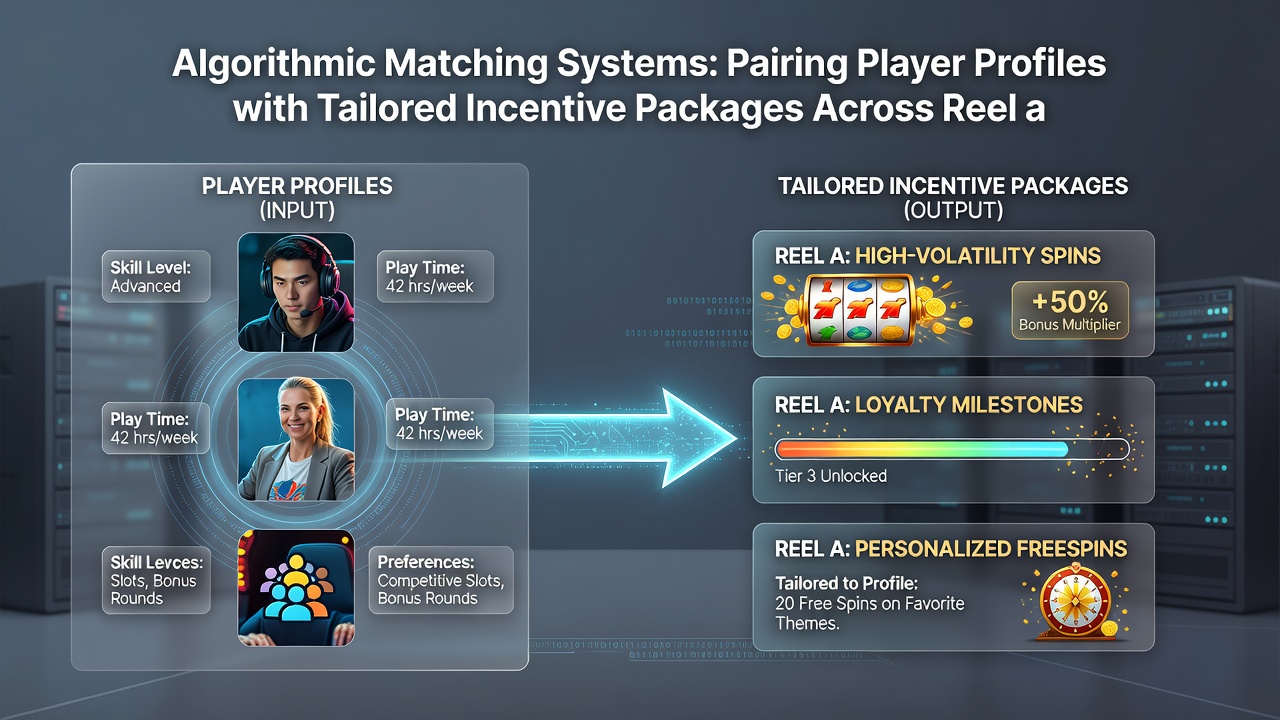
Developments Observed Through June 2026
By June 2026, several major platforms had expanded algorithmic capacity to handle increased data volume from 5G-enabled devices, and integration with real-time location services allowed incentives to adapt when users transitioned from home play to travel scenarios, while regulatory frameworks in jurisdictions such as New Jersey and Ontario required transparency reports on how matching logic complies with fairness standards.
These advancements coincided with broader adoption of federated learning methods that keep personal data localized yet still permit aggregate model training across networks, and industry reports highlight measurable lifts in cross-interface session completion rates following these upgrades.
Operational Examples and Data Patterns
One documented case involved a European operator that routed high-frequency reel players toward dealer-hosted tournaments with tailored entry bonuses, resulting in elevated participation metrics tracked through anonymized cohort analysis, and similar patterns emerged when low-stakes table enthusiasts received reel-based deposit matches timed to their historical activity windows.
Algorithms also factor in external signals such as payment method history and bonus redemption speed, which helps prioritize offers that align with proven conversion pathways, and observers note that such layering produces more coherent player journeys without manual intervention from marketing teams.
Regulatory and Technical Considerations
Jurisdictions including those overseen by the Nevada Gaming Control Board mandate audits of algorithmic fairness to prevent discriminatory targeting, and compliance teams review decision logs to confirm that incentive distribution remains consistent across demographic segments. Technical infrastructure relies on secure APIs that bridge slot servers with live dealer platforms, ensuring latency stays below thresholds that could disrupt real-time matching.
Security protocols encrypt profile attributes during transmission, and third-party verification services test model outputs against benchmarks for equitable access to promotions.
Conclusion
Algorithmic matching systems continue to evolve through iterative refinement of data inputs and model architectures, and their application across reel and dealer interfaces demonstrates how unified profiling supports coordinated incentive delivery. Ongoing developments in June 2026 and beyond reflect sustained investment in these technologies, with operators relying on established regulatory guidance from bodies like the Nevada Gaming Control Board and research from Canadian councils to maintain operational standards while expanding personalization capabilities.