Architectural Frameworks for User Progression in Handheld Gambling Applications: Balancing Accessibility, Transaction Efficiency, and Elite Status Attainment
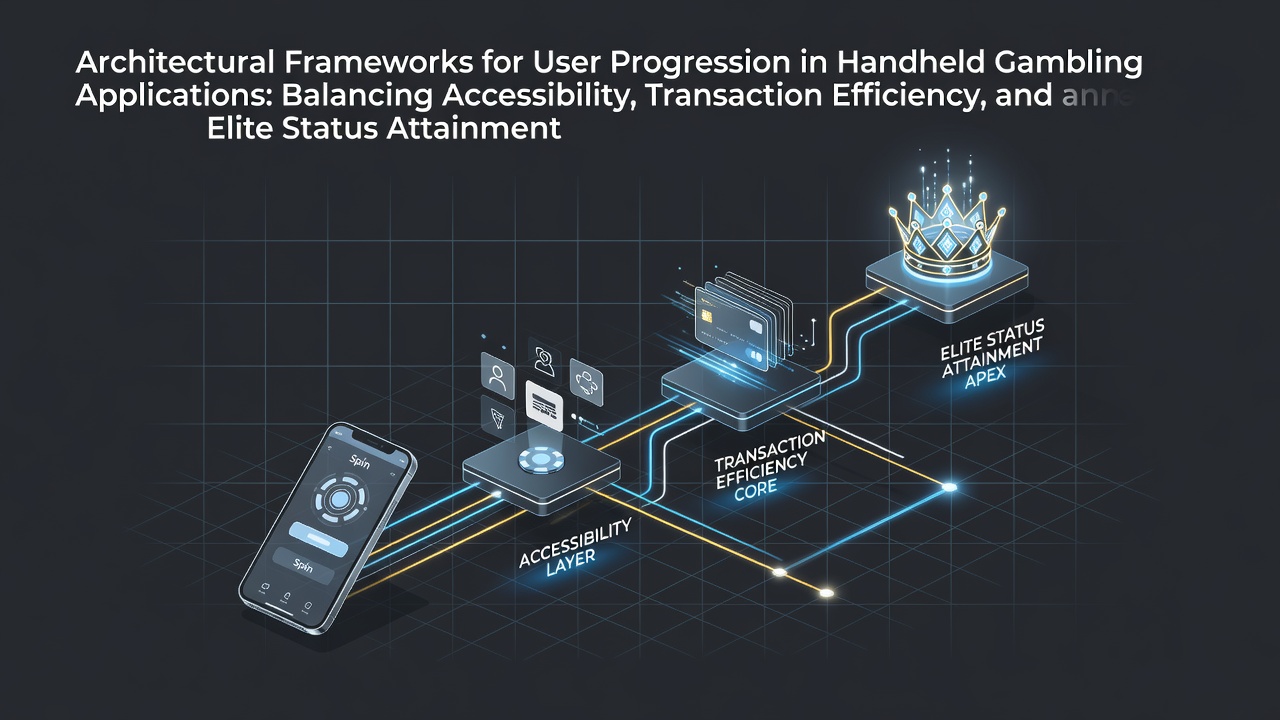
Handheld gambling applications rely on structured architectural frameworks that guide users from initial entry through sustained engagement toward higher status levels, and these systems integrate accessibility measures with streamlined transaction processes alongside pathways for elite recognition. Developers construct these frameworks around modular components that handle user data flows, payment integrations, and reward mechanics while maintaining compliance with regional standards that evolve over time.
Core Components of Accessibility in Mobile Frameworks
Accessibility begins with registration sequences that minimize input requirements through biometric verification options and pre-filled data protocols drawn from device settings, which allows new participants to reach active play states within minutes rather than extended form submissions. These designs incorporate responsive interfaces that adjust to various screen sizes and operating systems, ensuring consistent navigation across devices without requiring specialized hardware adaptations. Observers note that such elements reduce entry barriers by connecting account creation directly to game libraries and promotional structures, creating immediate pathways that encourage continued interaction.
Data from industry reports indicates that frameworks emphasizing single-tap onboarding see higher retention rates in the first week of use compared to those with multi-step verifications, as users encounter fewer interruptions before accessing core features like slot reels or table interfaces. Integration with device-level permissions for location and notifications further supports seamless progression by delivering tailored content without additional user prompts.
Transaction Efficiency Mechanisms
Transaction layers within these applications prioritize low-latency payment gateways that support multiple funding sources including digital wallets, bank transfers, and cryptocurrency options where permitted, and these systems process deposits and withdrawals through encrypted channels that complete operations in seconds rather than minutes. Backend architectures employ caching strategies and redundant servers to handle peak loads during promotional events, which prevents delays that could disrupt user momentum toward bonus activations or jackpot entries.
Researchers have documented how real-time balance updates and automated reconciliation tools contribute to efficiency by syncing across sessions without manual refreshes, and this setup supports high-volume activity in environments where users shift between handheld sessions and other activities. In June 2026, updates to cross-border transaction protocols in several markets highlighted refinements in these frameworks, allowing operators to maintain speed while adhering to updated verification requirements from bodies like the Australian Transaction Reports and Analysis Centre.
Pathways to Elite Status Attainment
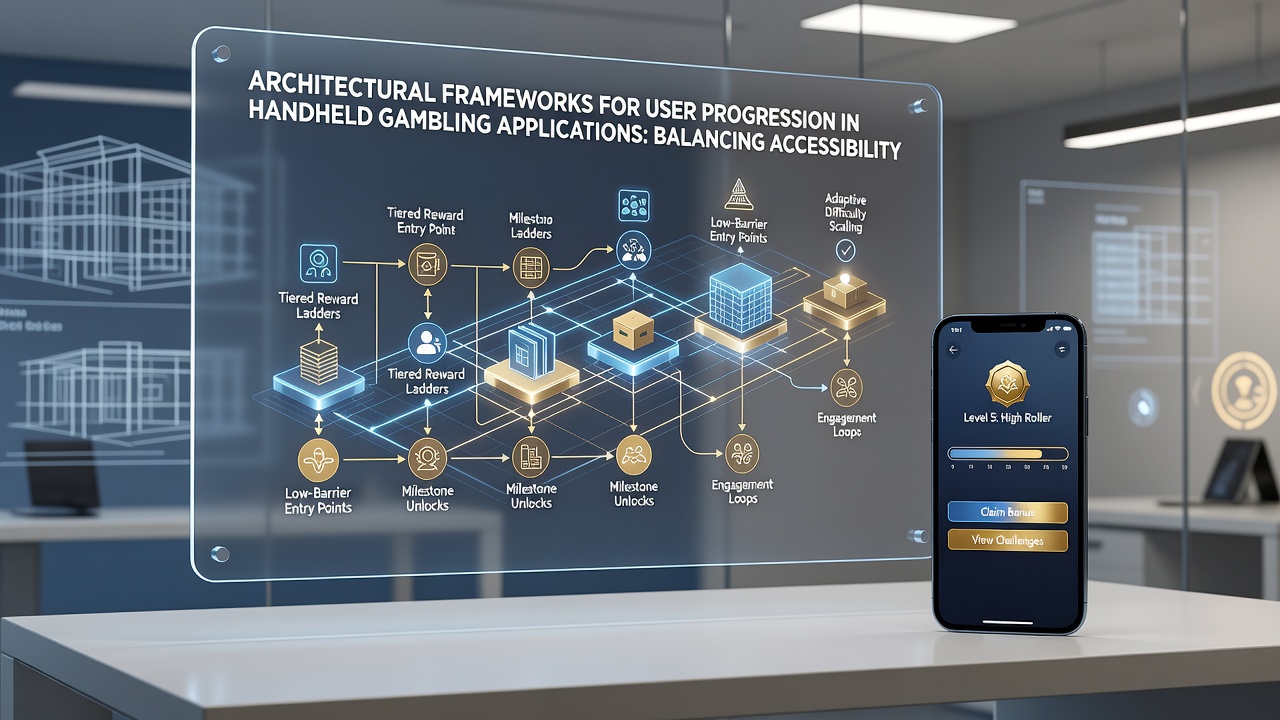
Elite status systems layer progressive tiers onto the core framework through point accumulation models that track activity metrics such as wager volume, session frequency, and participation in specific game categories, and these points convert into benefits like enhanced payout multipliers or dedicated support channels. Architectural designs often segment these tiers into visible dashboards that display progress bars and upcoming rewards, which motivates sustained engagement by making attainment milestones transparent and achievable through consistent play patterns.
Studies from the University of Nevada's International Gaming Institute reveal that integrated loyalty engines, when linked directly to transaction processors, accelerate tier advancements by automatically crediting activity without separate claim processes, adn this connection creates feedback loops where efficient funding supports faster status elevation. Frameworks incorporate exclusivity elements such as private tournament access or accelerated jackpot contributions for top tiers, all managed through backend rules engines that adjust dynamically based on user history and market conditions.
Integration Strategies for Balanced Progression
Effective frameworks achieve balance by embedding accessibility checkpoints that trigger transaction optimizations at key progression points, such as simplified deposit flows upon reaching mid-tier status, while elite features unlock only after verified activity thresholds that align with regulatory guidelines from sources including the European Gaming and Betting Association. This modular approach allows updates to individual components without overhauling the entire system, supporting ongoing refinements as user behaviors shift across different regions and device types.
Examples from deployed applications show how conditional logic routes users through tailored experiences, directing high-engagement profiles toward VIP accelerators while maintaining baseline access for all participants, and data analytics modules monitor these flows to identify bottlenecks in real time. Such integrations rely on API connections between front-end interfaces, payment processors, and loyalty databases to ensure that changes in one area propagate smoothly to others without creating friction points.
Conclusion
Architectural frameworks in handheld gambling applications continue to evolve through iterative designs that link accessibility, transaction speed, and elite pathways into cohesive user journeys, with ongoing developments in June 2026 underscoring the role of adaptive technologies in sustaining these balances across expanding markets. These systems draw on established patterns from payment infrastructure and loyalty modeling to deliver structured progression that accommodates diverse participant needs while meeting operational demands.