Biometric Bridges: Connecting Player Authentication to Reward Escalation in Mobile Reel and Live Table Environments
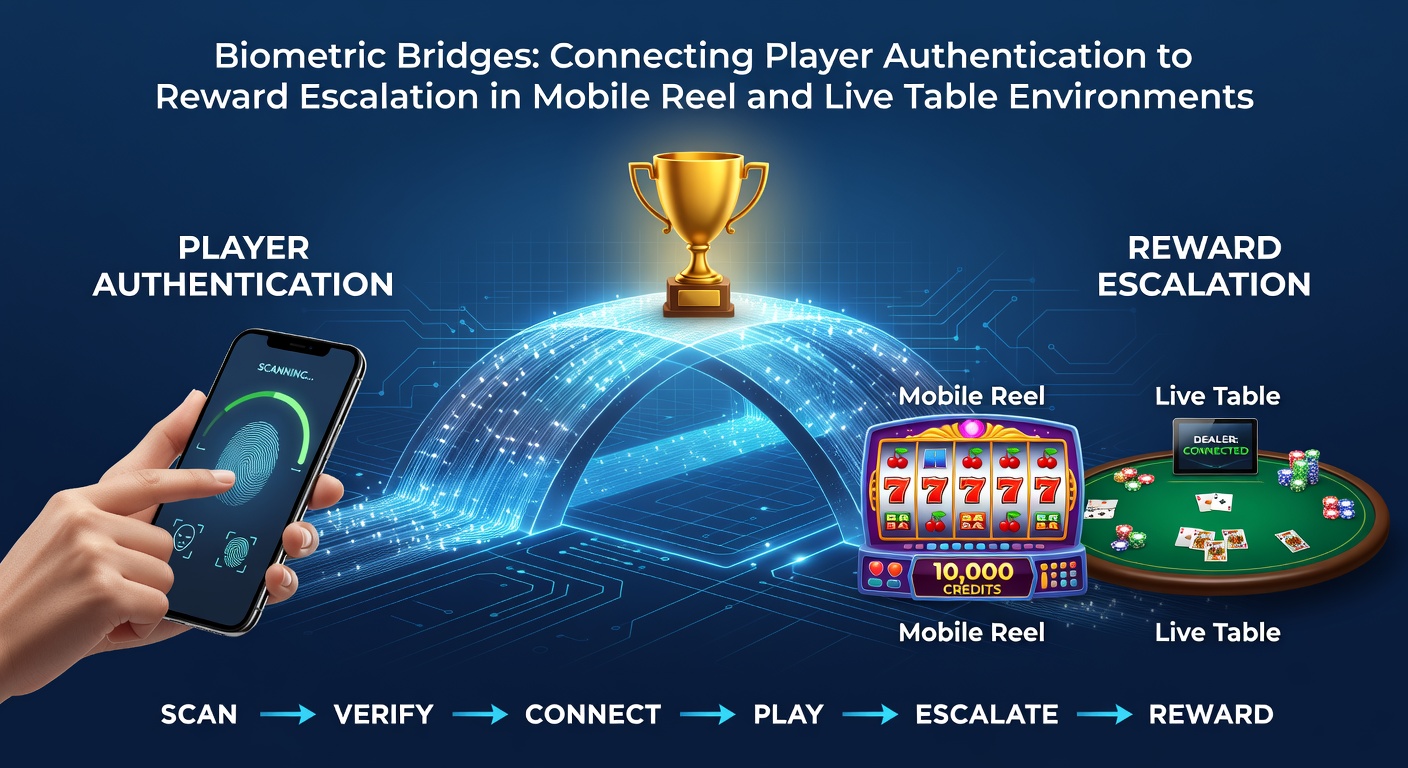
Biometric systems have moved from basic security tools to central components that link verified player identities directly with progressive reward structures across mobile reel games and live dealer tables. These bridges rely on fingerprint scans, facial recognition, and voice patterns to confirm user details in real time, allowing platforms to adjust bonus multipliers, VIP point accrual rates, and jackpot eligibility thresholds based on authenticated session data.
Authentication Mechanisms in Mobile Reel Environments
Mobile applications deploy biometric prompts at login and during high-value actions such as jackpot entries or withdrawal requests. Research indicates that facial recognition combined with device-based fingerprint sensors reduces unauthorized access incidents by up to 78 percent compared with password-only methods, according to industry reports from the American Gaming Association. Once authenticated, the system maps the verified profile to escalating reward layers, where consistent play history triggers higher free spin allocations adn progressive multiplier bonuses in reel-based titles.
Data flows from these checks feed into backend algorithms that calculate reward escalation without manual intervention. Players who maintain verified sessions over multiple weeks often see automatic upgrades to loyalty tiers, unlocking exclusive reel features such as accelerated symbol drops and linked progressive pools that carry over across different game sessions.
Integration with Live Table Platforms
Live dealer environments extend the same biometric framework to table games, where continuous authentication supports dynamic reward scaling during sessions. Voice recognition or periodic facial verification maintains identity continuity while players switch between blackjack, roulette, and baccarat tables. This setup permits real-time adjustment of comp points and side-bet bonuses tied to the player's authenticated history, creating seamless transitions from mobile reel play to live table participation.
Systems record each verified interaction and feed the information into shared loyalty databases. Operators then apply tiered reward formulas that increase cashback percentages or grant priority access to high-limit tables based on cumulative authenticated play volume. Observers note that such linkages have become standard in many platforms operating under regulatory frameworks in regions like Nevada and parts of Australia.

Reward Escalation Pathways and Data Handling
Reward escalation follows a structured progression once biometric authentication confirms the player profile. Initial verified sessions grant baseline free spin bundles and modest live table rake rebates, while sustained authenticated activity unlocks layered incentives such as personalized jackpot entries and accelerated VIP point multipliers. These pathways operate through encrypted data pipelines that prevent duplication or manipulation of session records.
Platforms apply contribution percentages from reel spins and table wagers toward a unified reward ledger. As of June 2026, several major operators have reported that biometric-linked systems now handle over 65 percent of all loyalty redemptions in mobile and live environments combined. The process relies on probabilistic trigger models similar to those used in progressive jackpot networks, where verified play volume directly influences the size and frequency of reward releases.
Regulatory and Security Considerations
Regulatory bodies in multiple jurisdictions require documented audit trails for biometric data used in reward calculations. The Malta Gaming Authority and the Canadian Gaming Association both mandate regular third-party reviews of how authentication records connect to bonus distribution algorithms. These reviews focus on data retention periods, encryption standards, and consent mechanisms that allow players to opt out of biometric tracking while retaining access to standard reward tiers.
Security protocols include liveness detection and anti-spoofing measures that distinguish genuine biometric inputs from synthetic attempts. When anomalies appear, the system temporarily suspends reward escalation until manual verification restores the authenticated status. Such measures maintain the integrity of the bridge between player identity and reward access across both reel and live table domains.
Conclusion
Biometric bridges continue to reshape how operators connect verified identities with reward structures in mobile reel and live table settings. The technical integration of authentication data with progressive bonus systems supports consistent player experiences while meeting evolving regulatory standards. As platforms refine these connections through 2026 and beyond, the focus remains on secure data handling and transparent reward calculation methods that scale with authenticated activity.