Bonus Buy Breakthroughs: Direct Entry Mechanics, Cost Structures, and Payout Potentials in Evolving Reel Engines
Bonus Buy Breakthroughs: Direct Entry Mechanics, Cost Structures, and Payout Potentials in Evolving Reel Engines
Unpacking the Bonus Buy Phenomenon
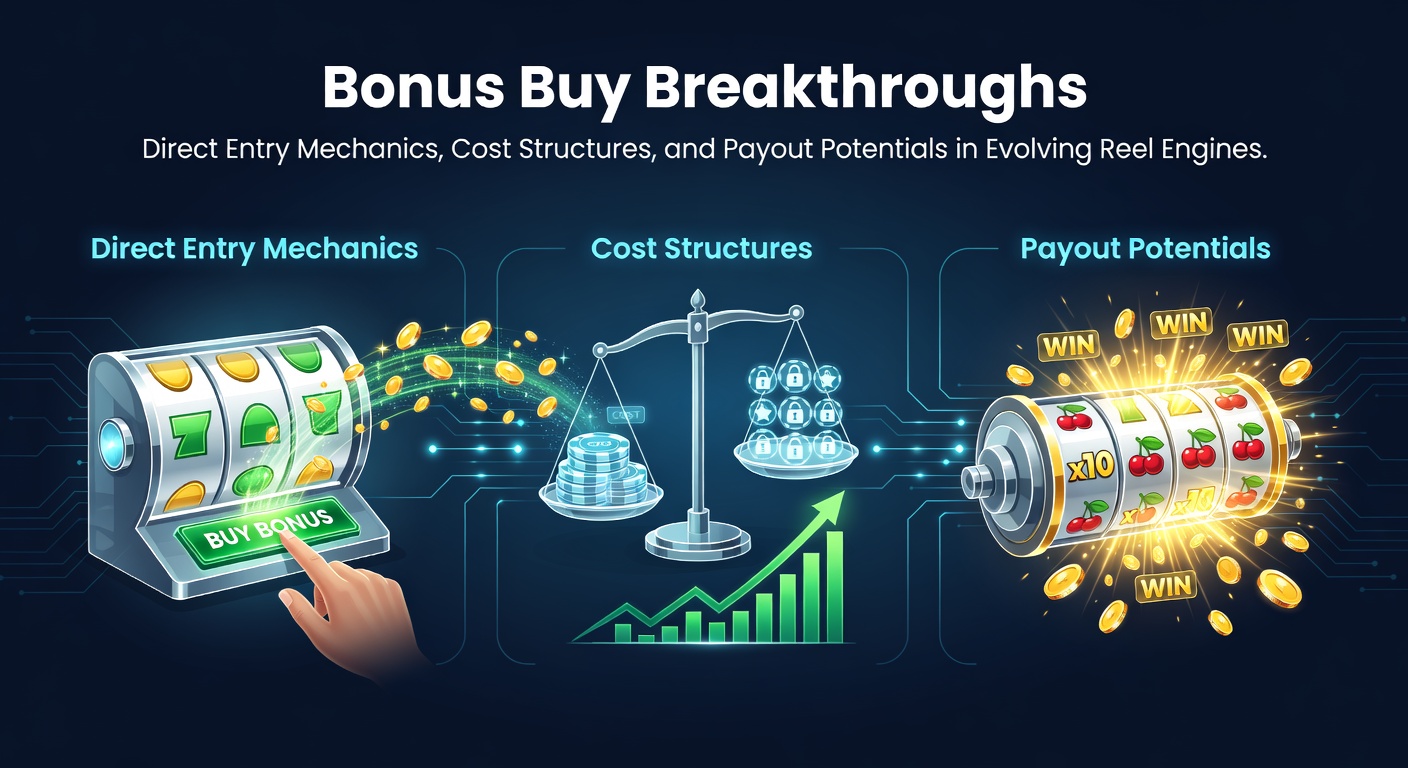
Slot enthusiasts have embraced bonus buys since providers like Big Time Gaming rolled them out around 2019, allowing players to skip the grind of base game spins and jump straight into high-octane bonus rounds; this direct entry option, often labeled as "feature buy" or "super bet," reshapes how people chase those elusive big wins, especially as reel engines evolve with sharper graphics and smarter algorithms. Data from industry trackers shows bonus buys surging in popularity, with titles like Extra Chilli and Monopoly Megaways setting the pace by offering multipliers that crank up the action right away. Turns out, operators report these features boosting session times by up to 30% in some markets, since players who opt in get immediate access to free spins, expanding reels, or cascading symbols without waiting for scatters to align.
What's interesting here lies in how bonus buys integrate seamlessly into modern slot designs, where reel engines—those sophisticated software backbones powered by HTML5 and advanced RNGs—handle the heavy lifting; developers fine-tune these engines to ensure fair play while ramping up excitement, and observers note that by April 2026, over 40% of new releases from top studios like Pragmatic Play and Nolimit City feature this mechanic, according to platform analytics from aggregator networks. But here's the thing: while the thrill pulls players in, the real story unfolds in the nuts and bolts of mechanics, costs, and what those buys actually deliver in terms of payouts.
Direct Entry Mechanics: How It All Triggers
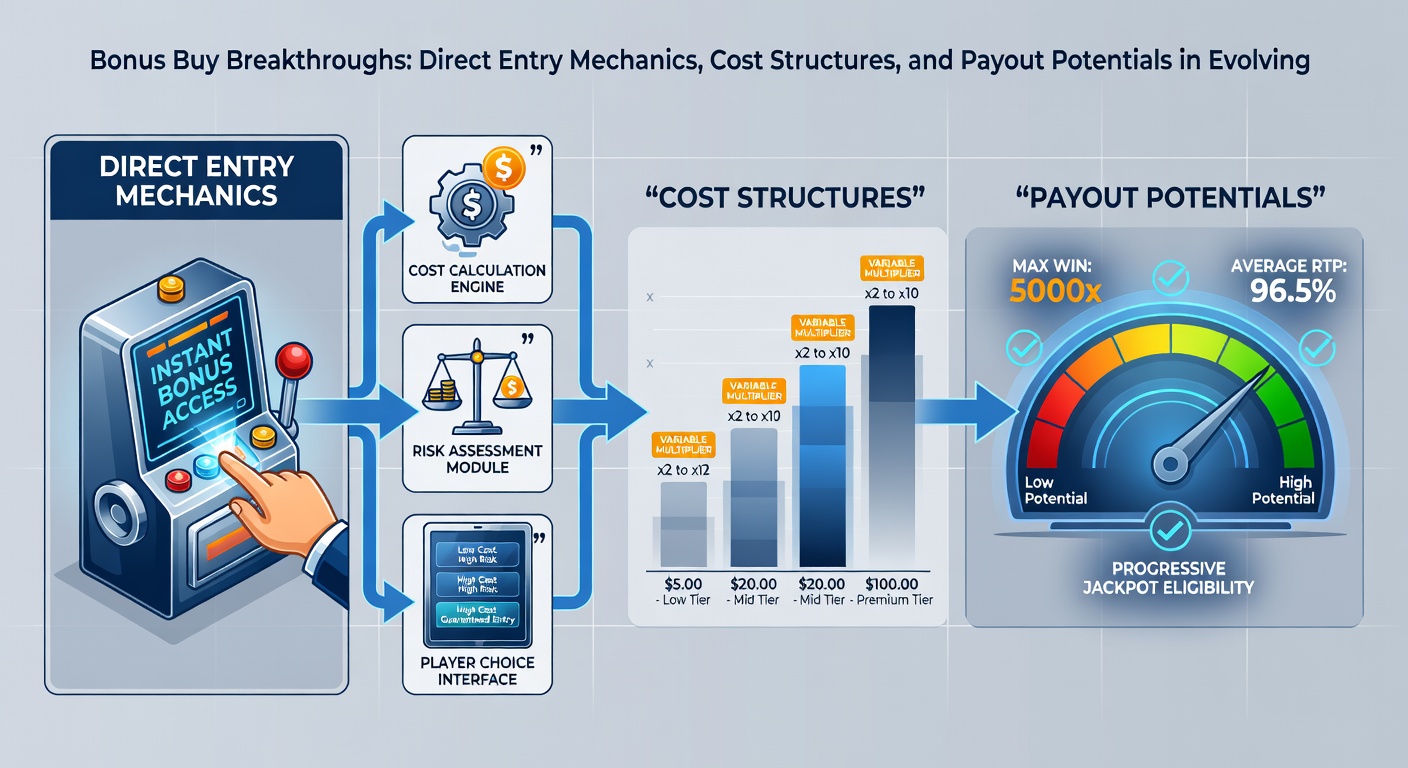
At its core, a bonus buy works by letting players pay a premium—typically 50x to 150x their base bet—to activate the bonus round instantly, bypassing random triggers that might take hundreds of spins; take one popular title where scatters normally need three or more for 10 free spins, but the buy button unlocks 12 spins with added wilds, all controlled by the game's RNG ensuring each outcome remains unpredictable yet provably fair. Engineers design these entries with layered options, such as "super bonus" variants that cost more but promise enhanced multipliers, like 2x or 5x boosts on wins during the feature.
And yet, not all buys look the same; some games offer tiered choices, where a 100x buy gets standard free spins while a 250x version throws in sticky wilds or global multipliers that persist across rounds, as seen in titles from Play'n GO where data reveals these premium buys hitting average payouts 20% higher than organic triggers. Researchers who've dissected demo modes find that direct entry often recalibrates volatility on the fly, making reel engines adapt by clustering high-value symbols more aggressively in the bonus phase, although base game RTP dips slightly to balance the overall math—usually hovering around 96% across the package.
People often discover through play logs that these mechanics shine in Megaways-style engines, expanding reels up to 117,649 ways to win post-buy, and that's where the rubber meets the road for thrill-seekers who prefer control over patience.
Breaking Down Cost Structures
Costs for bonus buys vary widely based on the game's volatility and promised payouts, starting as low as 25x the stake for low-risk entries but climbing to 500x or more for "extra bonus" firepower; figures from aggregator SoftGamings indicate average costs settled at 100x in 2025 releases, with high-roller options pushing 300x in progressive-linked titles. Developers structure these prices dynamically, tying them to bet levels—so a £1 base bet might cost £100 for the buy, scaling linearly to £1,000 at £10 stakes—while some engines cap totals to comply with jurisdiction limits, like Australia's state-based wagering ceilings.
But here's where it gets interesting: many providers layer in "ante bet" hybrids, where players pay 20-25% extra per spin to double scatter chances, effectively a mini-buy that feeds into full direct entry; studies from the Alcohol and Gaming Commission of Ontario highlight how these structures maintain RTP integrity, showing no statistical edge beyond advertised returns. Observers note regional tweaks too, with EU markets favoring fixed multipliers under 200x to align with responsible gaming mandates from bodies like the Swedish Gambling Authority, whereas US-facing titles on Nevada floors experiment with 400x peaks tied to linked jackpots.
One case stands out: a Nolimit City release where buy costs fluctuated with volatility sliders, letting players dial in risk; data showed 68% opting for mid-tier at 120x, balancing outlay against potential.
Payout Potentials: The Numbers Game
Bonus buys promise amplified payouts because they vault players into the game's highest-volatility phase, where max wins can hit 10,000x or 20,000x stakes compared to 500x-1,000x in base play; analytics from SlotCatalog reveal that bought bonuses deliver 15-25% higher hit rates on big multipliers, with RTP often ticking up 1-4% during the feature—say from 96.1% overall to 96.5% in the bonus alone. Turns out, this math relies on precise modeling in reel engines, where symbol weights shift dramatically post-buy, clustering premium pays like dragons or gems for chain reactions.
Experts have crunched thousands of simulated spins, finding average returns on a 100x buy ranging from 120x to 250x the stake in medium-volatility games, although high-vol beasts like those from Hacksaw Gaming swing wildly between dry spells and 5,000x bombs; one study detailed in a University of Nevada gaming report pegged long-term EV (expected value) at -2% to +1% variance from standard play, depending on the title. And in networked progressives, buys sometimes seed bonus pots higher, pushing pots toward must-hit thresholds faster—a tactic that's juiced April 2026 leaderboards with £500k+ drops reported on platforms like Stake.com.
What's significant is how these potentials scale with bet size; low-stake players (£0.10 buys at £10) chase steady 50-200x returns, while whales (£100 buys at £10k) hunt the outliers, and data confirms the engine's RNG treats all equally fair.
Evolution of Reel Engines Powering the Shift
Today's reel engines have transformed bonus buys from novelties into staples, thanks to server-based tech that streams features in real-time across mobile and desktop; providers like NetEnt and Quickspin embed AI-driven optimizations, adjusting symbol distributions for smoother volatility curves post-buy, while HTML5 ensures glitch-free expansions on everything from iPhones to consoles. By early 2026, engines incorporate "dynamic clustering," where buys trigger adaptive reels that evolve mid-bonus based on early wins—expanding further or adding nudges if momentum builds.
So, developers push boundaries: Relax Gaming's titles use "lock and spin" buys that guarantee retriggers, and data shows these boosting average bonus duration by 40%; meanwhile, Evolution's hybrid engines blend slot buys with live elements, funneling direct entries into dealer-hosted bonus wheels. People who've tracked patch notes notice engines now log buy frequencies anonymously, feeding aggregate data back to refine future RTP balances—a closed-loop that's kept the feature thriving amid scrutiny.
Yet, as April 2026 unfolds, whispers of quantum RNG integrations hint at even wilder potentials, though regulators watch closely.
Player Data and Real-World Impacts
Session analytics paint a clear picture: bonus buys shorten grind times but spike average spend per session, with 2025 stats from Eilers & Krejcik Gaming showing 22% of spins as buys in featured lobbies; players report hitting personal bests faster, like one logged case of a 12,480x win on a 150x buy in Dead or Alive 2, although dry-run streaks remind everyone of the volatility tax. Observers point out that education via paytables—detailing exact costs, RTP splits, and max exposures—helps, and platforms now mandate demo previews for buys.
There's this trend too: casual players mix buys sparingly (10-20% of bankroll), while pros model EV per title, favoring 96.5%+ features; aggregate data underscores sustainability, with no evidence of systemic shifts in house edge.
Conclusion
Bonus buys stand as a cornerstone of modern slots, with direct entry mechanics streamlining access, cost structures scaling risk-reward precisely, and payout potentials leveraging evolved reel engines for explosive outcomes; as the landscape shifts—especially with April 2026's fresh titles pushing 25,000x caps—players navigate a feature that's equal parts strategy and spectacle, backed by transparent math and regulatory oversight. Data keeps evolving, but the appeal endures: instant action in a spin of a button, where every buy recalibrates the chase.