Charting Currency Conversion Pathways That Shape Tiered Access Levels in Networked Chance Platforms
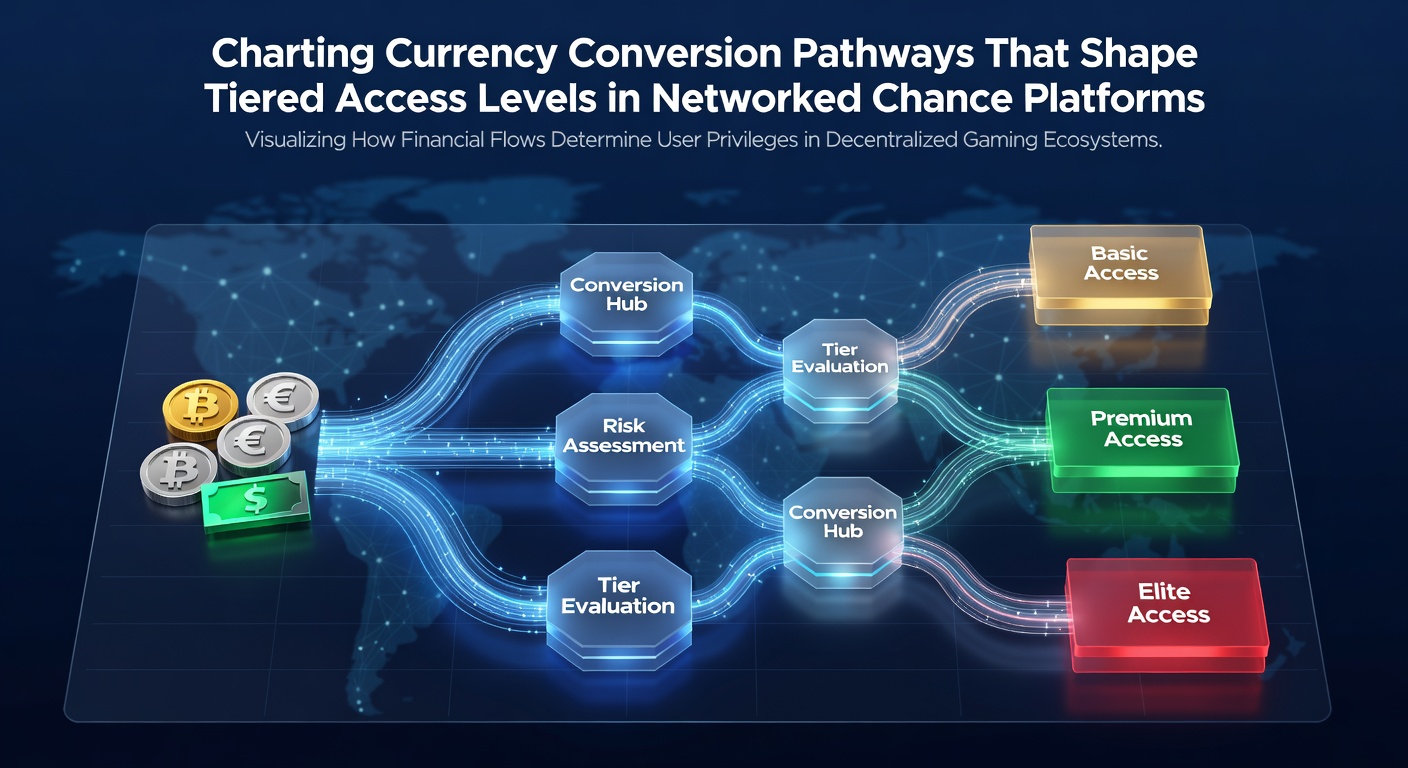
Networked chance platforms process multi-currency transactions through layered conversion pathways that adjust deposit values in real time, and these adjustments feed directly into the algorithms that assign tiered access levels to players. Operators maintain separate ledgers for each supported currency while routing conversions through intermediary financial processors that apply current exchange rates plus platform-specific fees, and the resulting normalized amounts determine progress toward silver, gold, or platinum thresholds.
Currency Pathways and Their Technical Structure
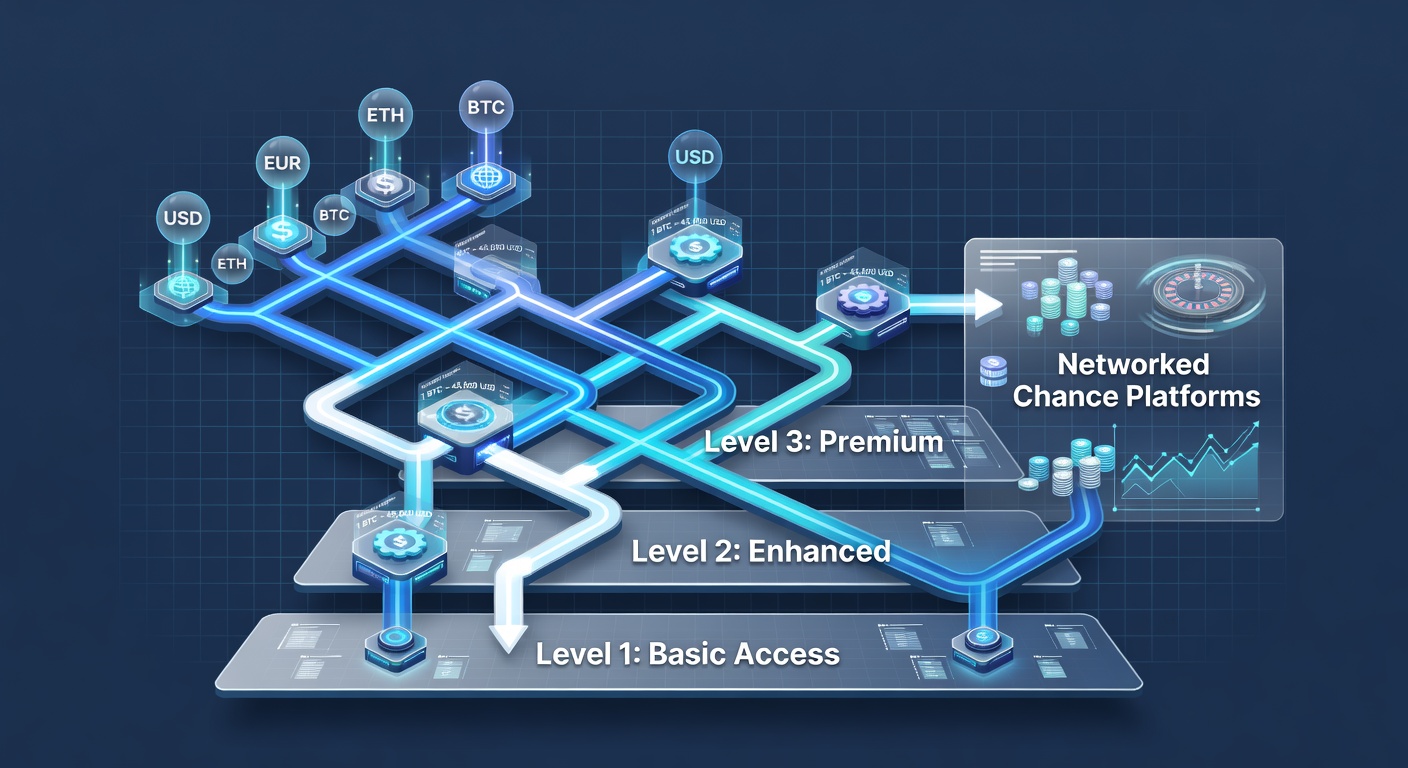
Platforms establish dedicated conversion routes that begin at the deposit interface and terminate at a centralized valuation engine, and this engine recalculates every incoming amount against a reference currency such as USD or EUR before crediting the player account. Data shows that most systems complete the conversion within milliseconds by pulling live rates from multiple banking feeds, yet the final credited value includes both the exchange spread and a processing margin that varies by payment method. Observers note that these margins range between 0.5 and 3.5 percent depending on the currency pair and transaction volume, and the adjusted figure becomes the sole metric used for tier qualification calculations.
Impact on Tier Qualification Metrics
Tier systems evaluate cumulative deposit activity after conversion rather than original currency amounts, which means a player depositing in a weaker currency may reach the next level more slowly even when the nominal figure appears comparable. Researchers at several gaming technology firms have documented that platforms apply daily and monthly conversion caps to prevent rate volatility from artificially accelerating tier climbs, and these caps reset at the start of each calendar month. As of May 2026 several major networks introduced automated rate-locking features that freeze the conversion value for up to 24 hours on deposits above a set threshold, thereby stabilizing tier progression during periods of sharp currency fluctuation.
Regional Variations in Conversion Handling
Platforms licensed in different jurisdictions adopt distinct approaches to currency routing, and these differences produce noticeable variations in how quickly players advance through access tiers. European operators frequently route transactions through the Single Euro Payments Area infrastructure before converting to platform credits, whereas operators serving North American markets often convert local currencies directly into USD through domestic banking partners. According to figures released by the American Gaming Association, average tier climb times for players using CAD deposits shortened by 12 percent after certain networks updated their conversion engines in early 2026. In Australia, data compiled by state regulatory bodies indicates that AUD-to-platform-credit pathways now include mandatory disclosure of the full fee stack at the point of deposit, which has reduced disputes over delayed tier upgrades.
Canadian regulators have examined similar conversion transparency requirements, and preliminary reports suggest that standardized fee displays correlate with steadier tier progression patterns across provincial markets. Meanwhile, industry reports from the European Gaming and Betting Association highlight that cross-border conversion pathways must comply with updated anti-money-laundering rules that took effect in May 2026, and these rules mandate additional verification steps whenever a single conversion exceeds the equivalent of 10,000 euros. The extra verification layer temporarily pauses the deposit from counting toward tier totals until clearance is granted, which can extend qualification periods by several days for high-value players.
Withdrawal Pathways and Tier Retention
Conversion logic also governs withdrawals, and platforms apply reverse conversion rates that may differ from deposit rates, thereby affecting the final amount a player receives and indirectly influencing tier retention calculations. Some networks recalculate tier status at the moment of withdrawal using the outgoing conversion value, which can result in temporary demotion if the realized amount falls below the maintenance threshold. Those who have tracked platform behavior across multiple jurisdictions report that players maintaining balances in teh platform's primary reference currency experience fewer such recalculations and therefore enjoy more consistent tier status.
Conclusion
Currency conversion pathways function as the hidden infrastructure that translates raw deposit activity into the tiered access privileges offered by networked chance platforms. Technical engines, regional regulations, and monthly rate adjustments all intersect at the valuation stage, and the resulting normalized figures determine how quickly players unlock higher levels of play and rewards. Continued updates to conversion protocols, including the rate-locking and transparency measures introduced in May 2026, demonstrate that operators continue to refine these pathways to balance operational efficiency with regulatory compliance across global markets.