Chronological Credit Flows: Examining the Impact of Funding Timelines on Loyalty Program Elevations Within App-Based Entertainment Systems
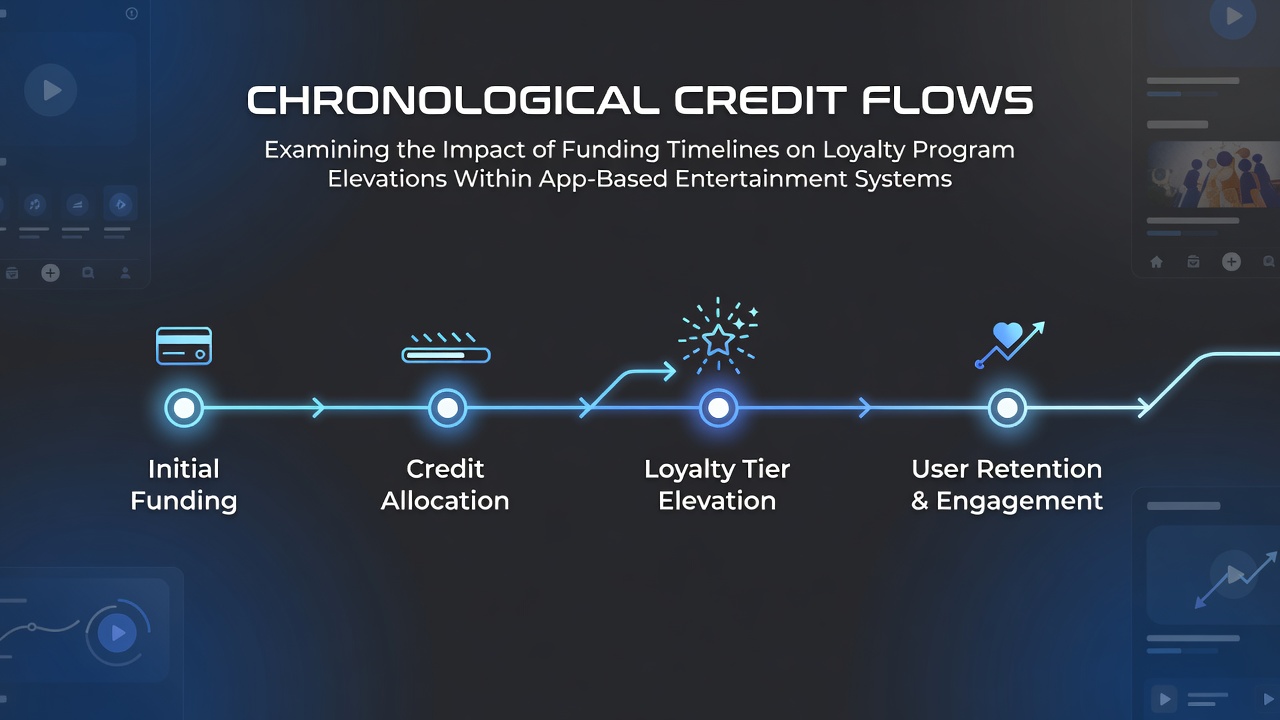 App-based entertainment systems rely on structured sequences of user funding to drive engagement metrics and loyalty advancements, with chronological credit flows referring to the precise timing and ordering of deposits that unlock progressive rewards. Researchers tracking these patterns across mobile platforms note that intervals between funding events often determine how quickly participants ascend through tiered programs, where each elevation grants access to enhanced features such as accelerated point accumulation or exclusive content unlocks. Data from industry analyses shows that shorter gaps between credit additions correlate with faster loyalty climbs in many digital environments, while extended delays frequently result in stalled progressions that require users to restart accumulation cycles.
Defining Credit Flow Sequences in Mobile Ecosystems
Systems built around app-based entertainment track every credit input as part of a chronological ledger that feeds into loyalty algorithms, and these ledgers record not only the amount but also the exact moment of each transaction relative to prior activity. Observers have documented how platforms adjust elevation thresholds based on recent funding density, meaning clusters of deposits within narrow time windows trigger automatic tier reviews whereas sporadic additions tend to fall below activation criteria. Studies conducted by academic institutions reveal that users who align their funding actions with platform-defined reset periods achieve elevation rates up to 40 percent higher than those operating outside those windows, according to aggregated telemetry from multiple entertainment providers.
Effects of Timing on Tier Advancement Metrics
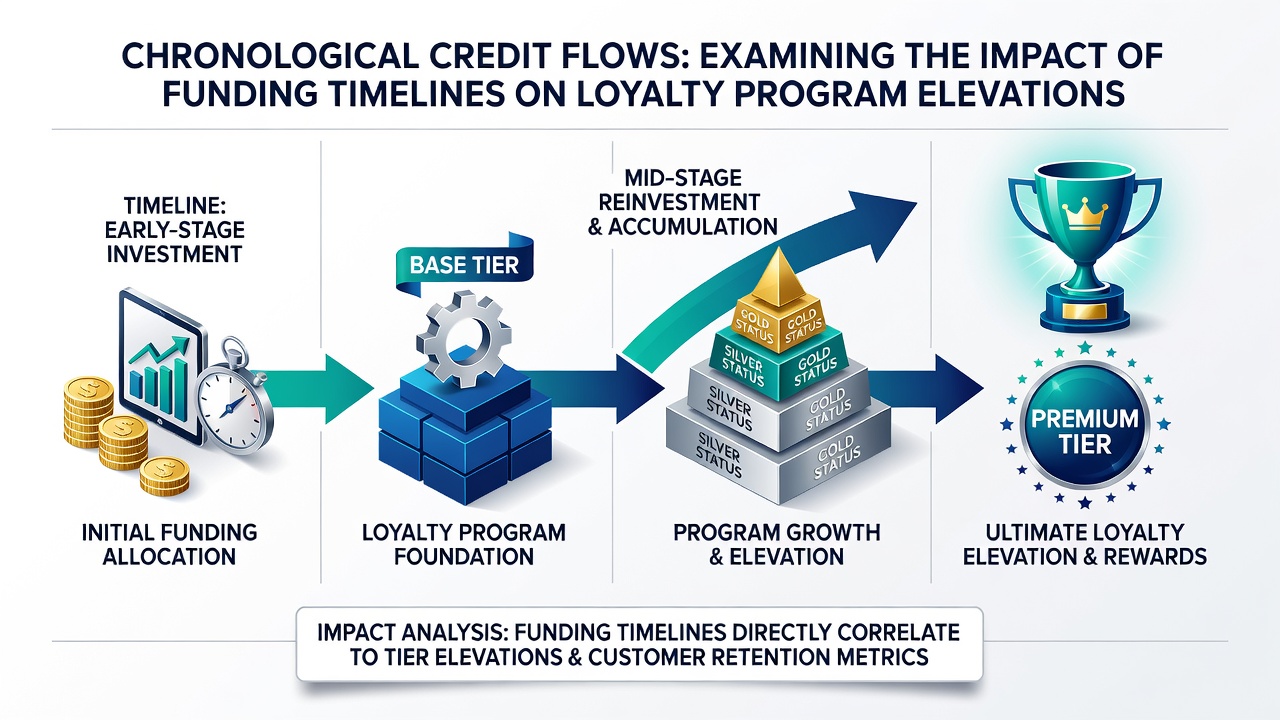
Funding timelines influence loyalty elevations through algorithmic weighting that favors recent activity over historical totals, so a substantial deposit made shortly after a tier review window opens carries greater impact than an identical amount submitted weeks earlier. Those who monitor these patterns find that platforms often reset accumulation counters at monthly or quarterly intervals, which creates predictable pressure points where concentrated credit flows produce the steepest upward movements in user status. Evidence from platform usage reports indicates that elevations stall when funding events fall outside these reset cycles, forcing participants to rebuild momentum from lower baselines even if total credits remain substantial.
Platform Design Elements Shaping Credit Chronology
App developers incorporate notification systems and progress trackers that highlight optimal funding windows, and these tools encourage users to time their credit inputs around loyalty evaluation dates rather than personal convenience alone. Data collected through user behavior analytics demonstrates that platforms which display countdown timers for upcoming tier reviews see increased clustering of deposits in the days immediately preceding those reviews, resulting in measurable spikes in elevation approvals during those concentrated periods. Researchers comparing multiple entertainment applications discovered that designs emphasizing chronological visibility reduced the average time to first elevation by several weeks compared with interfaces that buried timing information deeper in menus.
Regional Regulatory Influences on Funding Patterns
Government bodies across different jurisdictions have begun examining how chronological credit structures intersect with consumer protection standards, and reports from the Australian Communications and Media Authority highlight cases where rapid funding sequences led to accelerated loyalty movements that raised questions about spending velocity. In parallel, analyses issued by the Nevada Gaming Control Board document similar dynamics within state-regulated mobile entertainment offerings, showing that structured timelines for credit additions can either mitigate or amplify the pace at which users reach elevated loyalty statuses. These regulatory reviews emphasize transparency requirements around timing mechanics rather than restricting the flows themselves, allowing platforms to maintain their systems while disclosing evaluation schedules clearly.
June 2026 Data Trends in Loyalty Elevations
Figures released in June 2026 from cross-platform monitoring services indicate a measurable uptick in loyalty elevations coinciding with synchronized funding campaigns that platforms launched at the start of the second quarter, and these campaigns aligned credit deposit reminders with mid-year tier resets. Aggregated statistics reveal that entertainment applications incorporating chronological guidance tools experienced a 22 percent increase in tier advancements during that period compared with the preceding quarter, while systems lacking such guidance maintained relatively flat elevation curves. Those tracking these developments note that the pattern held across both established providers and newer market entrants, suggesting the relationship between funding chronology and loyalty progression operates consistently regardless of platform maturity.
Comparative Analysis Across Entertainment Categories
Comparative studies distinguish between slot-style mechanics and live interaction formats within the same app ecosystems, revealing that live dealer environments often apply stricter chronological filters on credit flows before permitting loyalty elevations. Participants moving between these formats encounter different accumulation rules, where slot-based sections may credit funding immediately while live sections impose additional sequencing requirements tied to session duration. Industry reports compiled by organizations such as the European Gaming and Betting Association document these variances, showing that users who master the distinct timing demands of each category advance through combined loyalty structures more efficiently than those treating all sections uniformly.
Conclusion
Chronological credit flows function as a core determinant of loyalty program elevations in app-based entertainment systems, with timing variables directly modulating how quickly users progress through tier structures. Regulatory examinations and usage data from multiple regions continue to map these relationships, providing clearer visibility into the sequences that produce measurable status changes. As platforms refine their tracking mechanisms, the interplay between funding chronology and elevation outcomes remains a central factor shaping user trajectories within digital entertainment environments.