Mapping Funding Pathways to Prestige Elevation in Portable Chance Systems
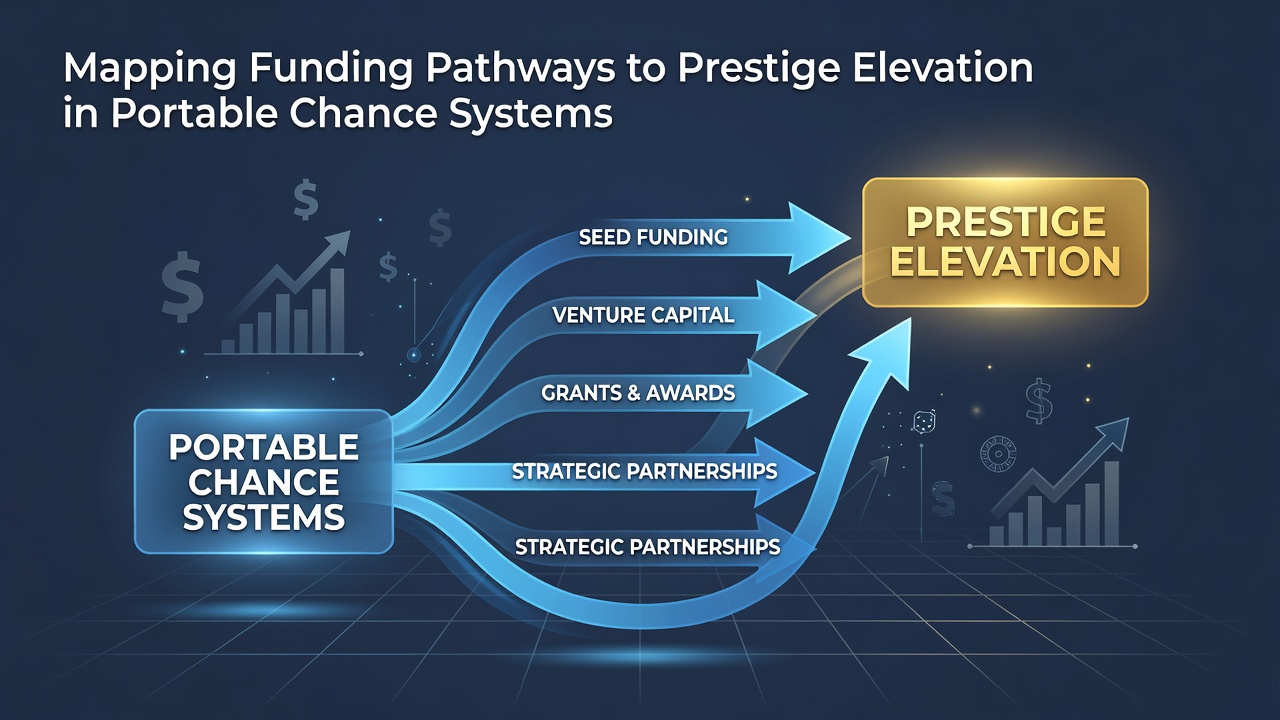
Portable chance systems operate through mobile applications that deliver chance-based experiences across varied devices, and funding pathways describe the structured routes users follow when directing financial resources into these platforms. Observers note that these pathways connect initial deposits to layered prestige systems where accumulated activity unlocks higher status tiers, and data from industry reports show clear correlations between funding patterns and elevation speed in multiple regions.
Core Components of Funding Pathways
Funding begins with verified account setup followed by selection among bank transfers, digital wallets, and prepaid options, while each method carries distinct processing times and contribution rates toward prestige metrics. Researchers at institutions tracking digital entertainment economies have documented how recurring deposits compound points faster than one-time transfers, and platforms maintain internal ledgers that translate every funded amount into tier progress. Those who study these systems find that minimum threshold requirements differ by region, yet the underlying calculation formulas remain consistent across operators.
Prestige Elevation Mechanics
Prestige elevation occurs when funded activity crosses defined milestones, and operators assign multipliers based on deposit frequency plus total volume. According to figures from the Canadian Gaming Association, users reaching mid-tier status in portable systems typically complete three to five mapped funding cycles within the first quarter of activity, and higher tiers demand sustained patterns rather than isolated large transfers. Systems record these milestones automatically, sending status updates through the application interface while adjusting reward eligibility in real time.
Regional Variations in Pathway Structures
European operators often emphasize e-wallet integration because regulatory frameworks there prioritize transaction traceability, whereas North American platforms incorporate more card-based options with built-in verification layers. Data compiled by university research groups in Australia indicate that pathway transparency tools introduced in early 2026 improved user comprehension of prestige mapping by measurable margins, and similar features appeared in additional markets by July 2026. These tools present visual breakdowns of how each deposit segment contributes to the next prestige bracket without requiring manual tracking.
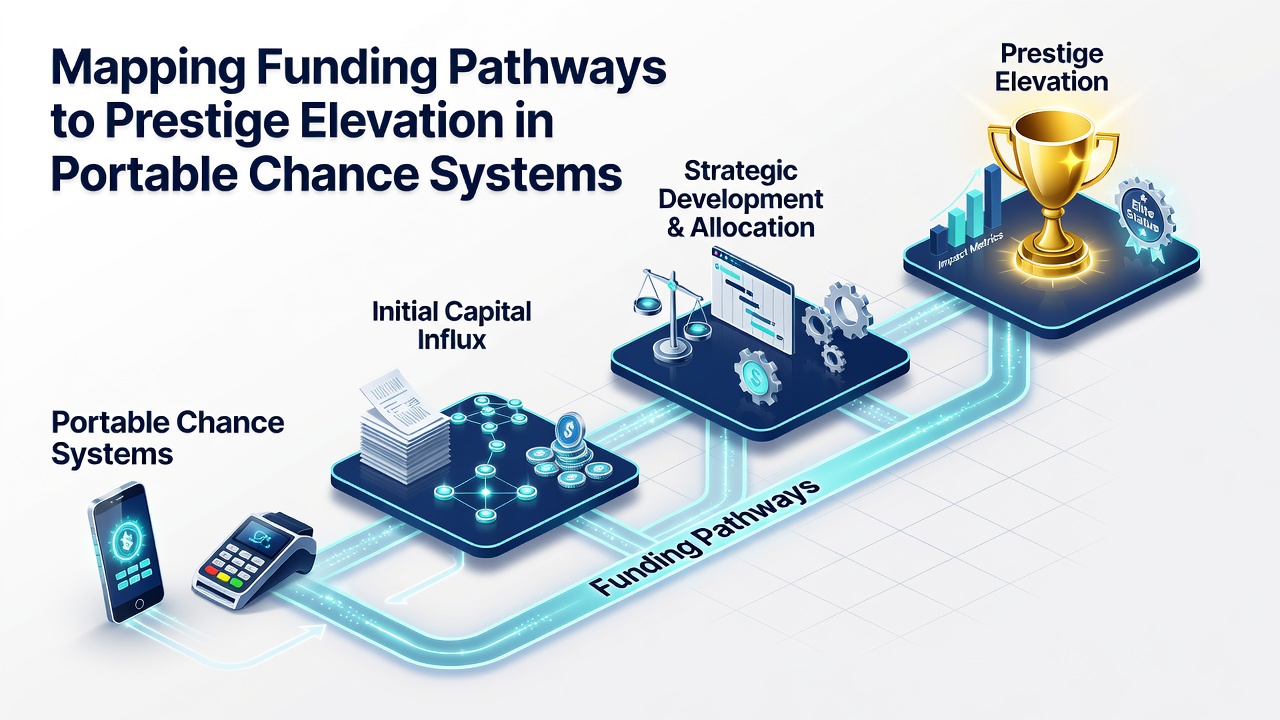
Tracking and Optimization Tools
Modern portable chance systems embed dashboard features that display remaining distance to the next prestige level, and these interfaces pull directly from funding histories to generate projections. Industry organizations such as the European Gaming and Betting Association have published guidelines recommending clear labeling of contribution rates so users understand the relationship between deposit size and status gains. Observers report that platforms adopting these guidelines recorded higher retention among users who actively monitor their mapped progress, while systems without such displays show slower average elevation rates.
July 2026 Developments
By July 2026 several major providers rolled out enhanced pathway visualizers that integrate live funding data with prestige forecasts, and these updates coincided with broader adoption of standardized reporting formats across portable platforms. Regulatory updates in multiple jurisdictions encouraged operators to publish sample pathway maps illustrating how different funding sequences affect tier advancement timelines, and academic analyses of early adoption data suggest improved user decision-making when such information is readily accessible.
Integration with Broader Platform Features
Funding pathways rarely function in isolation, and prestige elevation frequently unlocks access to additional system components including specialized game modes and accelerated reward cycles. Studies conducted by research teams at technical universities have examined how mapped funding interacts with these secondary features, revealing that users who align deposit timing with prestige windows achieve faster overall advancement. Platforms continue to refine these interconnections based on aggregated usage patterns collected across large user bases.
Conclusion
Mapping funding pathways to prestige elevation provides a structured framework within portable chance systems, and continued refinement of tracking tools plus regional adaptations shapes how users navigate these environments. Evidence from regulatory bodies and academic sources demonstrates measurable links between funding consistency and status outcomes, while developments through July 2026 indicate ongoing investment in transparency features that support clearer pathway comprehension across markets.