Payment Pathways Linking Transaction Options to Tiered Loyalty Benefits Across Smartphone Reel Networks and Interactive Host Environments
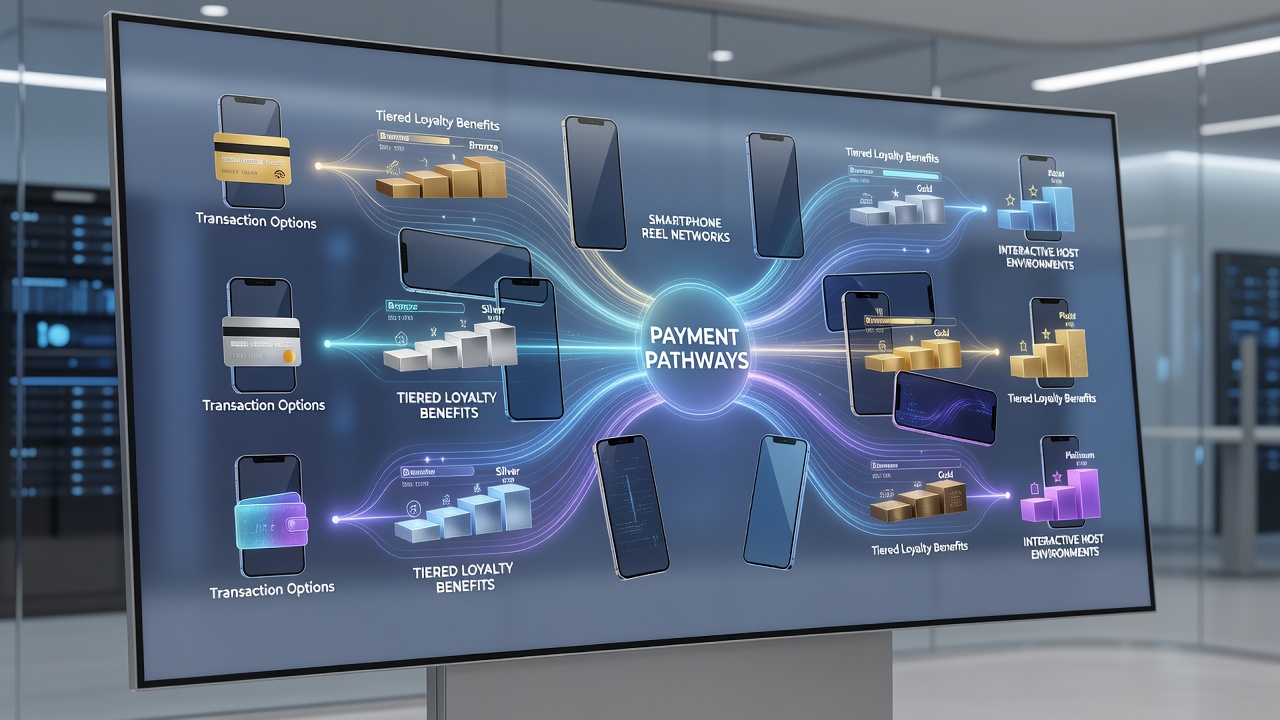
Payment pathways in smartphone reel networks connect transaction options directly to tiered loyalty structures that operate across both mobile slot environments and interactive host platforms, where live dealer sessions and real-time engagement features require seamless funding flows. Observers note that these systems process deposits through various methods including digital wallets, bank transfers, and card-based options while simultaneously updating player status levels that unlock progressive rewards. Data from industry reports indicate that integration occurs at the account management layer, allowing each transaction to trigger points accumulation that feeds into loyalty tiers ranging from basic access to premium benefits such as enhanced multipliers and exclusive event entries.
Core Components of Transaction Pathways
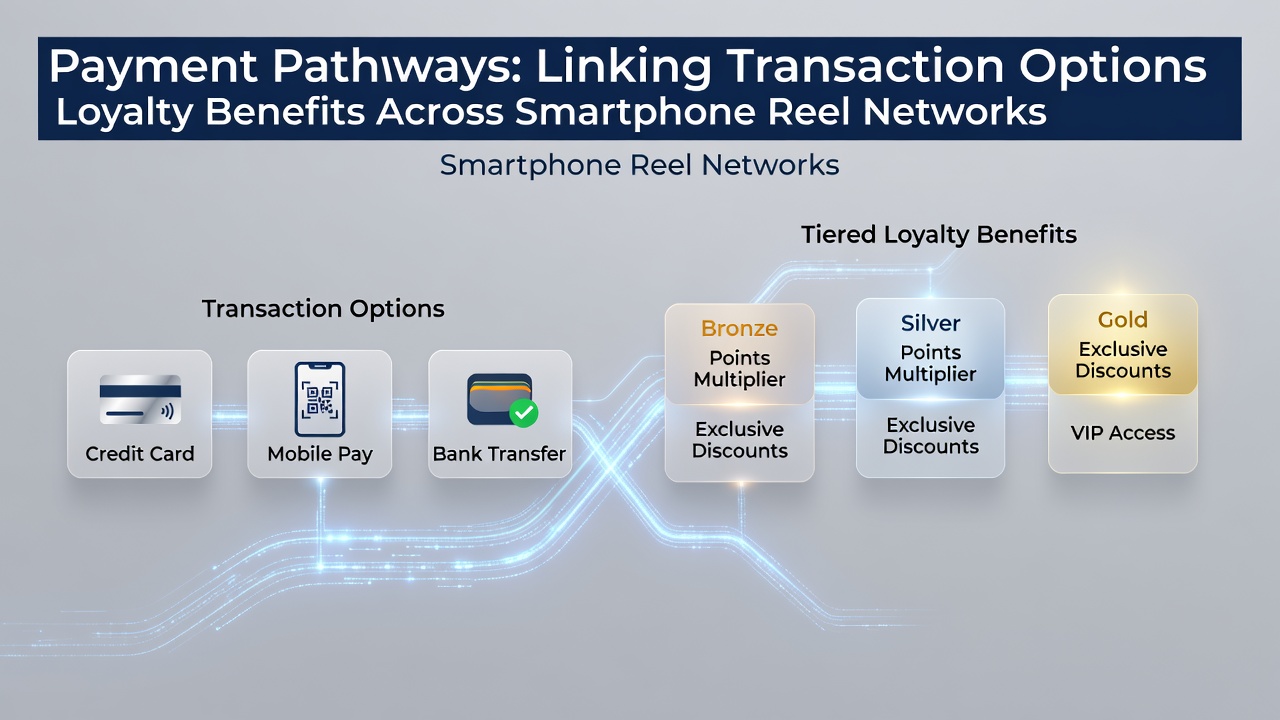
Transaction pathways begin at the user interface level where smartphone applications present multiple funding channels, and these choices influence how quickly loyalty points register within the system architecture. Researchers have documented that instant processing methods like e-wallets accelerate point crediting compared to traditional bank routes, which may involve verification delays yet offer higher security protocols in certain jurisdictions. According to a 2025 analysis from the Nevada Gaming Control Board, networks handling over 40 percent of mobile reel transactions now embed loyalty calculations at the authorization stage, ensuring that tier progression reflects real-time activity without separate batch updates.
Interactive host environments add another layer because live sessions demand continuous connectivity, and payment confirmations must align with ongoing game states to maintain uninterrupted reward tracking. Those who have examined these platforms find that API bridges between payment gateways and loyalty engines handle teh synchronization, preventing discrepancies that could affect tier eligibility during extended play periods.
Tiered Loyalty Mechanisms and Payment Influences
Tiered loyalty benefits scale according to cumulative transaction volumes and frequency, with payment method selection sometimes determining bonus multipliers applied to deposited amounts. Studies conducted by the University of Las Vegas gaming research group reveal that networks using tiered structures see players advance through levels faster when they utilize recurring deposit options tied to automated loyalty scoring. Each tier grants access to distinct advantages such as priority support in interactive sessions, customized reel configurations, and accelerated jackpot contributions that draw from pooled funds across connected devices.
Payment options also intersect with regulatory requirements that vary by region, where certain methods carry built-in compliance checks that feed into loyalty verification processes. In July 2026, updates to cross-border transaction standards prompted several networks to refine their pathways, incorporating additional authentication steps that simultaneously log data for tier calculations without extending processing times beyond established benchmarks.
Integration Across Smartphone and Host Platforms
Smartphone reel networks operate through dedicated applications that maintain persistent connections to central servers, allowing payment confirmations to propagate instantly into loyalty databases shared with interactive host modules. Experts observe that this shared infrastructure supports unified player profiles where activity on reels contributes to benefits available during live dealer interactions, creating a continuous progression path. One case documented by industry analysts involved a platform that linked deposit streaks directly to tier upgrades, resulting in measurable increases in session durations across both environments.
Security protocols within these pathways employ encryption standards that protect transaction details while permitting loyalty engines to extract only the necessary metadata for tier assignments. Data indicates that networks implementing end-to-end encryption alongside loyalty integration report lower incidence of account discrepancies, as verified through audits conducted in multiple operational regions.
Operational Dynamics in July 2026
By July 2026, several networks had adopted enhanced payment routing algorithms that prioritize methods based on loyalty tier status, directing higher-tier accounts toward faster channels during peak usage periods. This adjustment stems from observed patterns where transaction speed correlates with sustained engagement levels in both reel and host settings. Figures from the Australian Communications and Media Authority highlight that such optimizations contributed to a 15 percent rise in cross-platform activity during the first half of the year.
Developers continue to refine the underlying code that manages these linkages, focusing on reducing latency between payment authorization and loyalty point allocation. Those monitoring the space note that real-time dashboards now display tier progress alongside pending transaction statuses, giving users visibility into how each funding choice advances their standing.
Conclusion
Payment pathways that link transaction options to tiered loyalty benefits form an interconnected framework supporting smartphone reel networks and interactive host environments through synchronized data flows and automated processing. Evidence from regulatory and academic sources demonstrates consistent evolution in these systems, particularly around integration points that accommodate diverse payment methods while maintaining accurate tier tracking. Continued refinements in July 2026 and beyond reflect ongoing efforts to align transaction efficiency with loyalty progression across digital gaming platforms.