Sequence Patterns in Wireless Gaming Apps: Linking Reel Mechanics to Elevated Player Status in Dealer-Led Formats
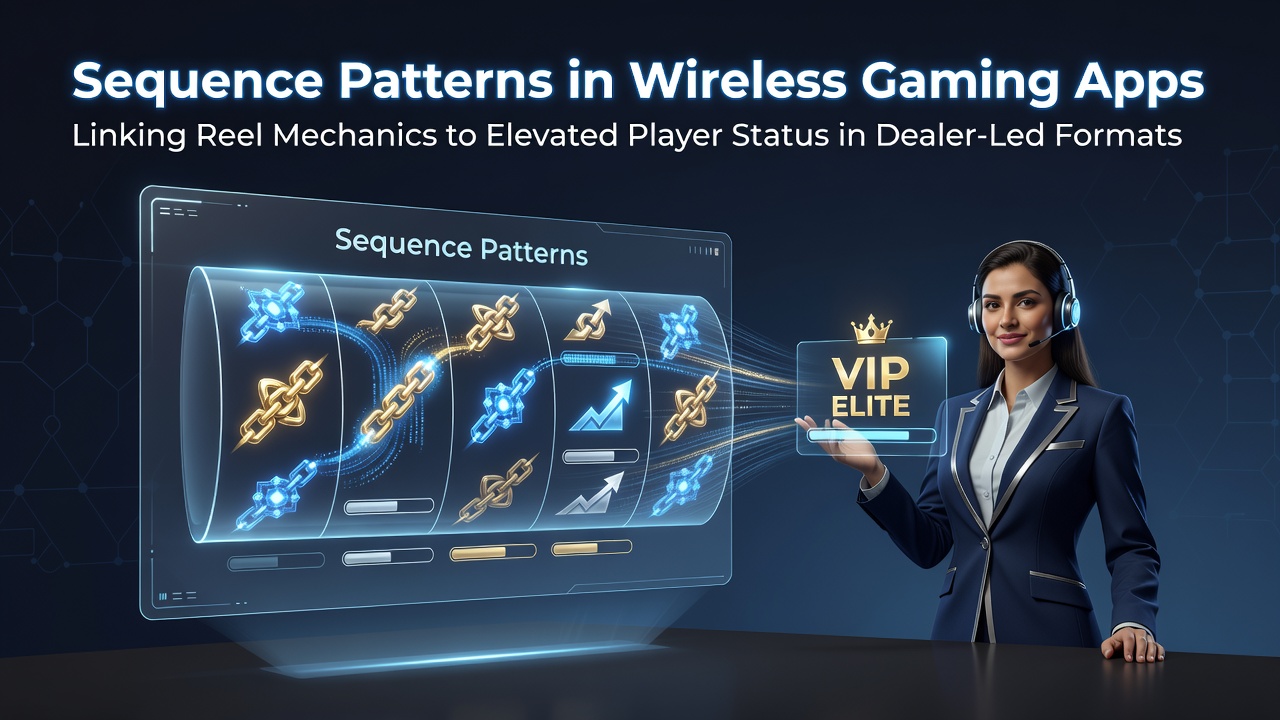
Wireless gaming apps have developed intricate reel mechanics that generate sequence patterns capable of influencing player progression across multiple formats, and these patterns now serve as measurable pathways toward elevated status in dealer-led environments. Mobile platforms record spin sequences through algorithmic tracking systems, where combinations of symbols and payout triggers accumulate data points that operators use to determine tier advancements. Research from the University of Nevada, Las Vegas Center for Gaming Research indicates that such sequence recognition helps platforms identify consistent engagement metrics, which often translate into access to live dealer tables with enhanced reward structures.
Reel Mechanics and Pattern Formation in Mobile Slots
Slot reels in wireless applications operate on random number generators calibrated to produce specific outcome distributions, yet repeated play sessions create observable sequences that players and systems alike monitor for progression signals. These sequences emerge when consecutive spins yield clustered symbols, bonus activations, or multiplier chains that exceed baseline expectations, and app interfaces display these as visual streaks or heat maps. Data collected across sessions feeds into loyalty algorithms that calculate eligibility for higher tiers, and this process connects directly to dealer-led formats where status unlocks private tables or accelerated bonus cycles. Observers note that patterns involving three or more aligned high-value symbols frequently correlate with status elevation points, whereas scattered low-value outcomes contribute less to the overall profile.
Mechanics such as cascading reels and expanding wilds add layers to sequence complexity, since each cascade multiplies the number of tracked events within a single spin cycle. When these mechanics align over multiple sessions, the accumulated data points increase the probability of reaching VIP thresholds that grant entry to live dealer environments. Studies conducted by the Responsible Gambling Council of Canada have examined how these mechanical features influence session length and reward accumulation, revealing consistent correlations between sequence density and tier movement across integrated platforms.
Transitioning Sequence Data to Dealer-Led Status Elevation
Dealer-led formats integrate sequence data from mobile reels through unified player accounts that carry forward metrics from slots into live casino sections. A sequence pattern that registers multiple bonus triggers in a wireless app session can automatically populate eligibility flags for live dealer perks, including reduced house edges on certain tables or priority seating during peak hours. This linkage operates through centralized servers that synchronize activity logs, ensuring that reel-based achievements influence the player's visible status level in real time. Platforms implemented updates in early 2026 that refined these synchronization protocols, allowing for faster recognition of patterns that span both reel and table environments.
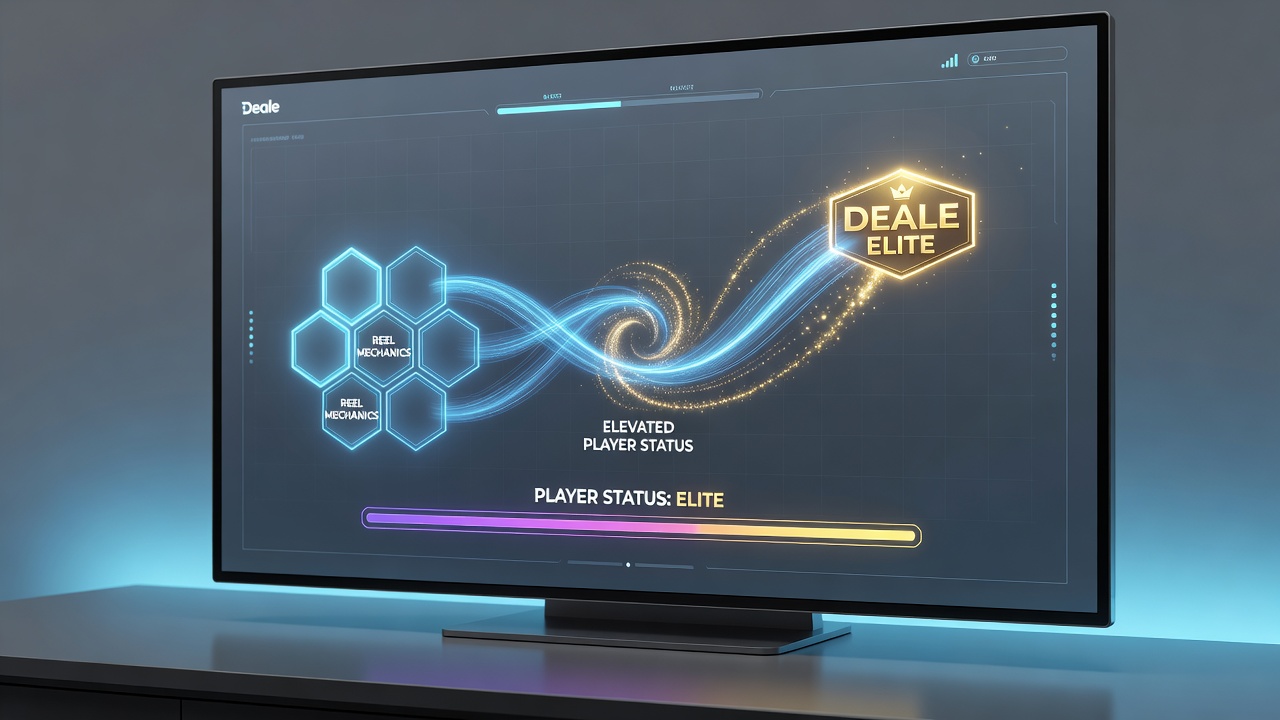
Status elevation in dealer-led settings often hinges on the frequency and quality of sequences rather than total wager volume alone, and this distinction encourages players to focus on pattern optimization within mobile apps. For instance, a run of five consecutive spins producing scatter symbols may register as a high-value sequence that accelerates advancement to gold or platinum tiers, which in turn provide access to exclusive live blackjack or roulette variants. According to reports issued by the Nevada Gaming Control Board, integrated systems in 2026 demonstrated measurable increases in cross-format participation when sequence tracking was emphasized in app design.
Technical Implementation of Pattern Recognition Systems
Wireless apps employ machine learning models to detect sequence patterns by analyzing timestamped spin outcomes against historical benchmarks, and these models assign weighted scores that determine status progression speed. The models account for variables including reel volatility settings, bonus round frequency, and symbol distribution rates, all of which contribute to a composite pattern score. When this score surpasses predefined thresholds, the system triggers notifications about available dealer-led privileges, such as invitation-only tournaments or accelerated loyalty point multipliers during live sessions.
Integration points between reel mechanics and live dealer interfaces rely on API connections that transmit pattern data securely, and these connections underwent standardization efforts across major operators throughout July 2026. Such standardization reduced latency in status updates, enabling players to move from a mobile slot sequence directly into a live dealer environment with their newly elevated tier reflected immediately. Industry analyses from the European Gaming and Betting Association highlight that platforms adopting these unified tracking methods recorded higher retention rates among players who progressed through sequence-driven status paths.
Current Developments and Cross-Platform Dynamics in Mid-2026
By July 2026, several wireless gaming applications had introduced enhanced visualization tools that display real-time sequence pattern progress toward dealer-led status milestones, and these tools allow users to monitor their advancement metrics without switching between separate interfaces. The tools incorporate predictive elements based on recent spin histories, projecting the number of additional sequences required to unlock specific live dealer benefits. Operators report that these features have streamlined the pathway from reel play to table participation, particularly among users who maintain consistent session patterns over extended periods.
Regulatory frameworks in various jurisdictions now require transparency in how sequence data influences status determinations, prompting operators to publish general guidelines on pattern weighting without disclosing proprietary algorithms. This shift has encouraged greater player awareness of the mechanical links between mobile reels and live dealer privileges, fostering more deliberate engagement strategies across formats.
Conclusion
Sequence patterns generated within wireless gaming apps continue to function as quantifiable bridges to elevated player status in dealer-led formats, with reel mechanics supplying the raw data that loyalty systems convert into tier advancements. Technical synchronization between mobile and live environments has matured through 2026 updates, creating seamless transitions for players whose spin sequences meet established criteria. As platforms refine these connections, the relationship between reel-based pattern recognition and dealer table access remains a central element of integrated gaming ecosystems.