Synchronization Patterns Between Authentication Sequences and Layered Benefit Escalations Across Portable Dealer Interfaces

Authentication sequences in portable dealer interfaces establish the initial connection points that link user verification steps directly to progressive benefit structures, and these connections determine how access levels advance across mobile platforms. Researchers examining these systems note that each verification stage, from initial device handshake to multi-factor confirmation, feeds data into backend ledgers that adjust benefit tiers in real time. Data from the New Jersey Division of Gaming Enforcement indicates that synchronized protocols reduce latency between login completion and reward activation by measurable margins in live dealer environments.
Core Components of Authentication Sequences
Portable dealer interfaces rely on sequential checkpoints that include device recognition, credential validation, and session token generation, while each checkpoint transmits signals that influence subsequent benefit calculations. Experts at regulatory bodies observe that these sequences incorporate timestamp markers and geolocation data to align user profiles with eligibility rules for layered incentives. When authentication completes, the interface queries centralized systems to retrieve historical activity metrics that determine the starting point for escalation paths.
Mechanics of Layered Benefit Escalations
Benefit escalations unfold through predefined thresholds that respond to accumulated session data, deposit patterns, and interaction frequency across dealer tables. Systems track these variables through interconnected modules that update tier statuses without requiring separate user inputs, and this automation maintains continuity as players move between mobile sessions. Figures from industry reports show that escalation layers often activate within seconds of authentication milestones, creating seamless transitions from basic access to premium features such as priority table seating or enhanced payout multipliers.
Observed Synchronization Patterns
Patterns emerge when authentication events trigger immediate queries against benefit databases, allowing platforms to apply adjustments based on verified identity attributes and prior engagement records. One pattern involves parallel processing where token validation runs alongside a benefit recalculation engine, and this parallelism ensures that players encounter updated reward structures upon entering live dealer rooms. Another pattern surfaces in cross-device continuity, where session states transfer between portable interfaces without resetting escalation progress, preserving accumulated advantages through encrypted state handoffs.
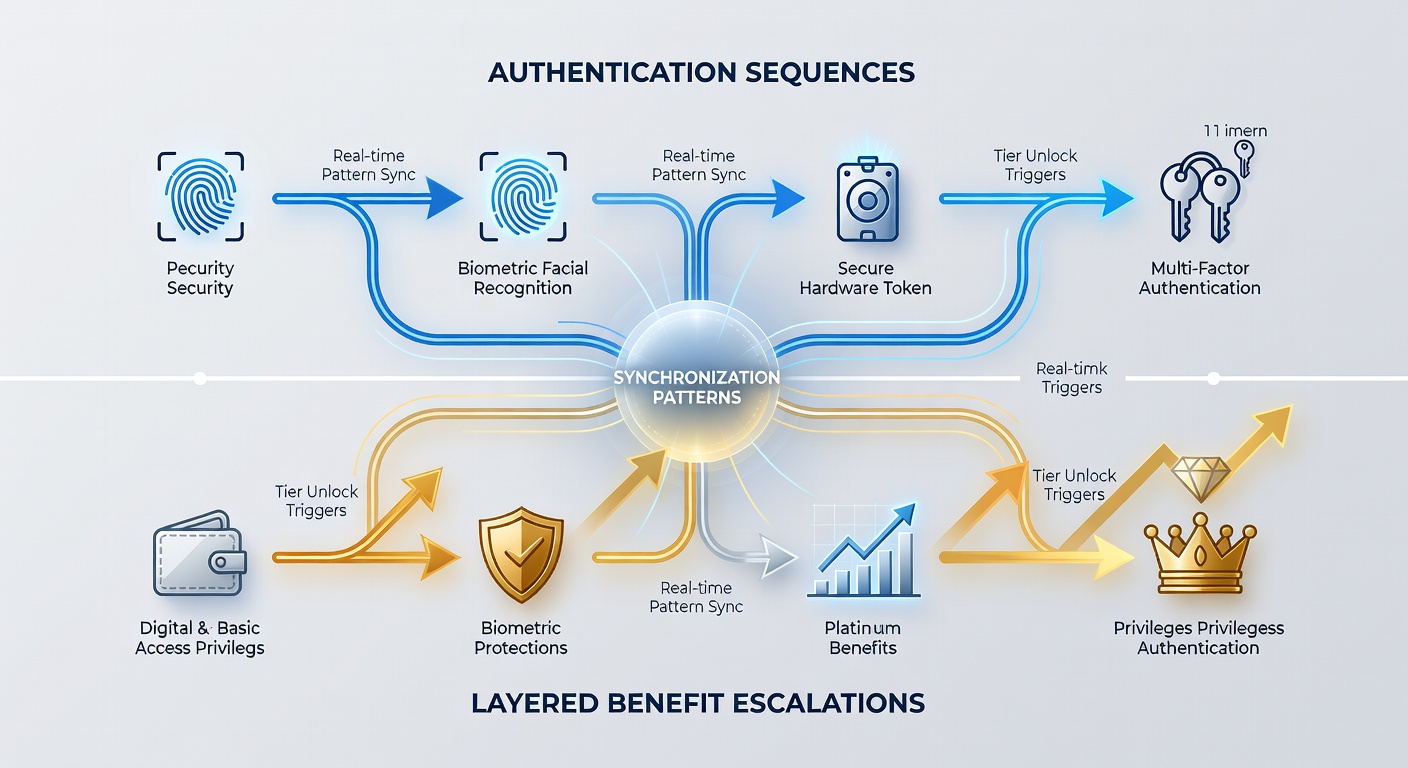
Studies conducted by teams at the University of Nevada, Las Vegas have documented how these patterns scale during peak usage periods, revealing consistent correlations between rapid authentication and accelerated benefit unlocks. Platforms that implement tighter synchronization exhibit fewer instances of tier mismatches, where a player's displayed status fails to reflect actual progress. Observers note that such alignments depend on robust API connections that exchange data packets in standardized formats across disparate mobile operating systems.
Technical Implementation Across Mobile Networks
Developers integrate synchronization through middleware layers that sit between frontend authentication modules and backend reward engines, and these layers handle conflict resolution when network interruptions occur during active sessions. As of May 2026, several operators have deployed enhanced edge computing nodes that perform preliminary benefit checks closer to the user device, shortening the interval between verification and escalation. This approach supports higher volumes of concurrent connections while maintaining data integrity across international server clusters.
Regulatory and Operational Considerations
Regulatory frameworks in multiple jurisdictions require audit trails that capture every authentication event alongside corresponding benefit changes, enabling oversight bodies to verify compliance with fairness standards. Operators maintain logs that record the exact sequence of data exchanges, which auditors review to confirm that escalations occur only after proper identity confirmation. Reports compiled by iGaming Ontario highlight how these requirements drive investments in encryption protocols that protect synchronized data streams during transmission over public mobile networks.
Conclusion
Synchronization between authentication sequences and layered benefit escalations continues to shape functionality in portable dealer interfaces through structured data flows and automated responses. Platforms that refine these connections deliver consistent experiences across devices, while ongoing technical advancements support scalability without compromising verification accuracy. Continued monitoring by regulatory agencies and research institutions provides the data needed to track how these patterns evolve in response to changing mobile infrastructure and user behaviors.