Tracing Threshold Calculations in Deposit Sequences Unlocking Layered Privileges Across Handheld Gaming Ecosystems
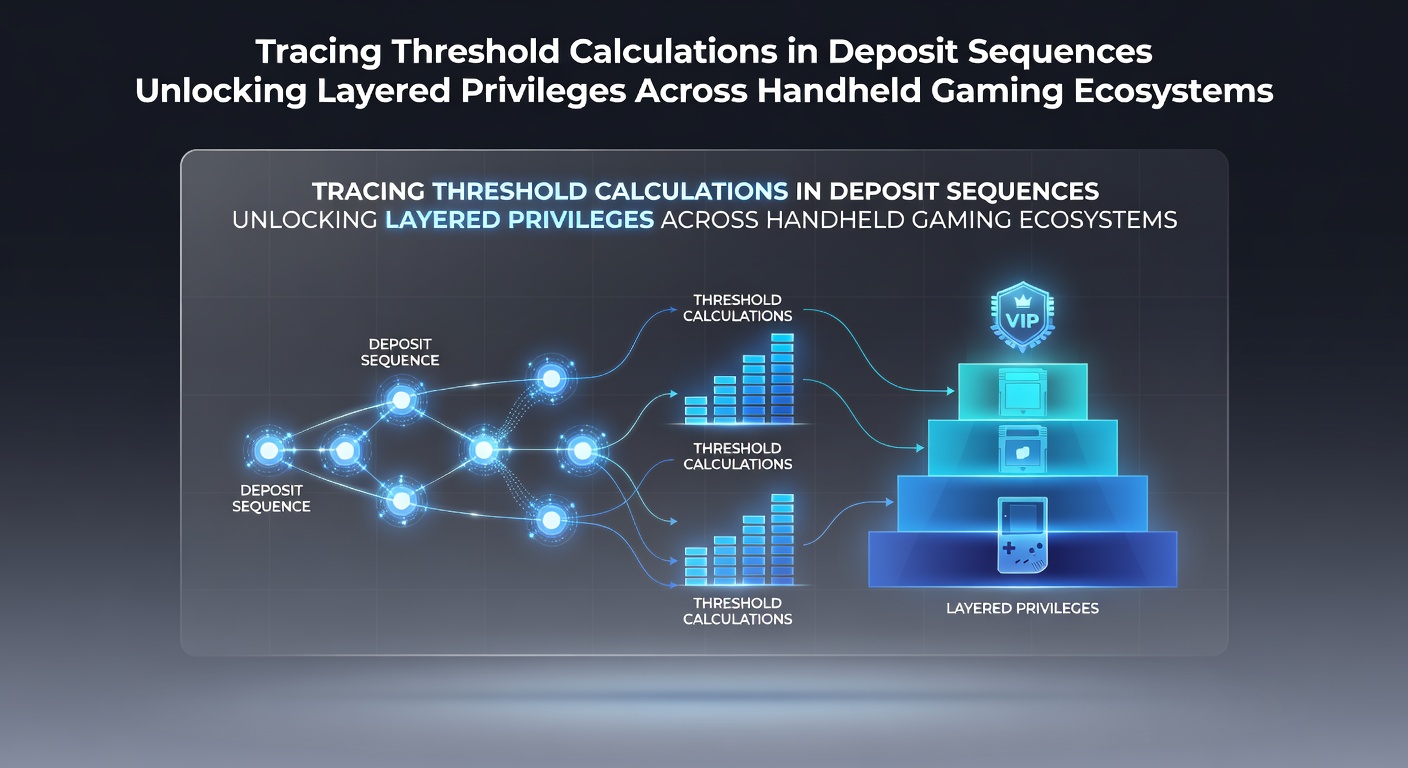 Observers note that deposit sequences in handheld gaming platforms operate through structured threshold calculations that determine when users advance through privilege layers. These systems track cumulative deposits, timing intervals, and volume metrics to activate tiered access on mobile devices. Research from the American Gaming Association indicates that mobile gaming accounted for over 60 percent of total online gaming activity in North America by early 2026, with deposit-driven privilege systems forming a core component of user progression mechanics. Threshold calculations typically begin with base deposit amounts recorded in real time through app-based ledgers. Algorithms apply multipliers based on deposit frequency and total sums within defined windows, such as 30-day cycles. When a sequence crosses a calculated boundary, the system unlocks the next privilege layer, which may include enhanced bonus structures or priority access to certain game modes. Data from platform analytics firms shows these calculations often incorporate weighted factors for deposit consistency rather than isolated large transfers alone.
Mechanics of Deposit Sequence Tracking
Handheld ecosystems maintain synchronized logs across devices to ensure threshold accuracy during user sessions. Each deposit enters a sequential model that factors in prior activity, creating a running total adjusted by time-based decay rates in some implementations. For instance, deposits made within shorter intervals receive higher weighting in the calculation, accelerating progression toward layered privileges. This approach appears across multiple operators, where mobile applications pull data from centralized servers to display current status and projected thresholds.
Studies conducted by researchers at the University of Nevada, Reno, have examined how these sequences integrate with broader gaming networks. Their findings reveal that threshold models adjust dynamically based on aggregate user data pools, allowing platforms to scale privilege unlocks without manual intervention. In practice, a user completing a sequence of five deposits totaling a specific amount within one month might trigger advancement, while the same total spread over longer periods could require additional steps.
Layered Privileges and Cross-Platform Integration
Privileges unlocked through these calculations span several categories in handheld environments. Initial layers often grant basic enhancements such as increased daily reward allocations, whereas higher tiers provide access to exclusive game variants and personalized support channels. Platforms coordinate these unlocks across slot mechanics, table games, and live dealer options to maintain consistency for users switching between device types.
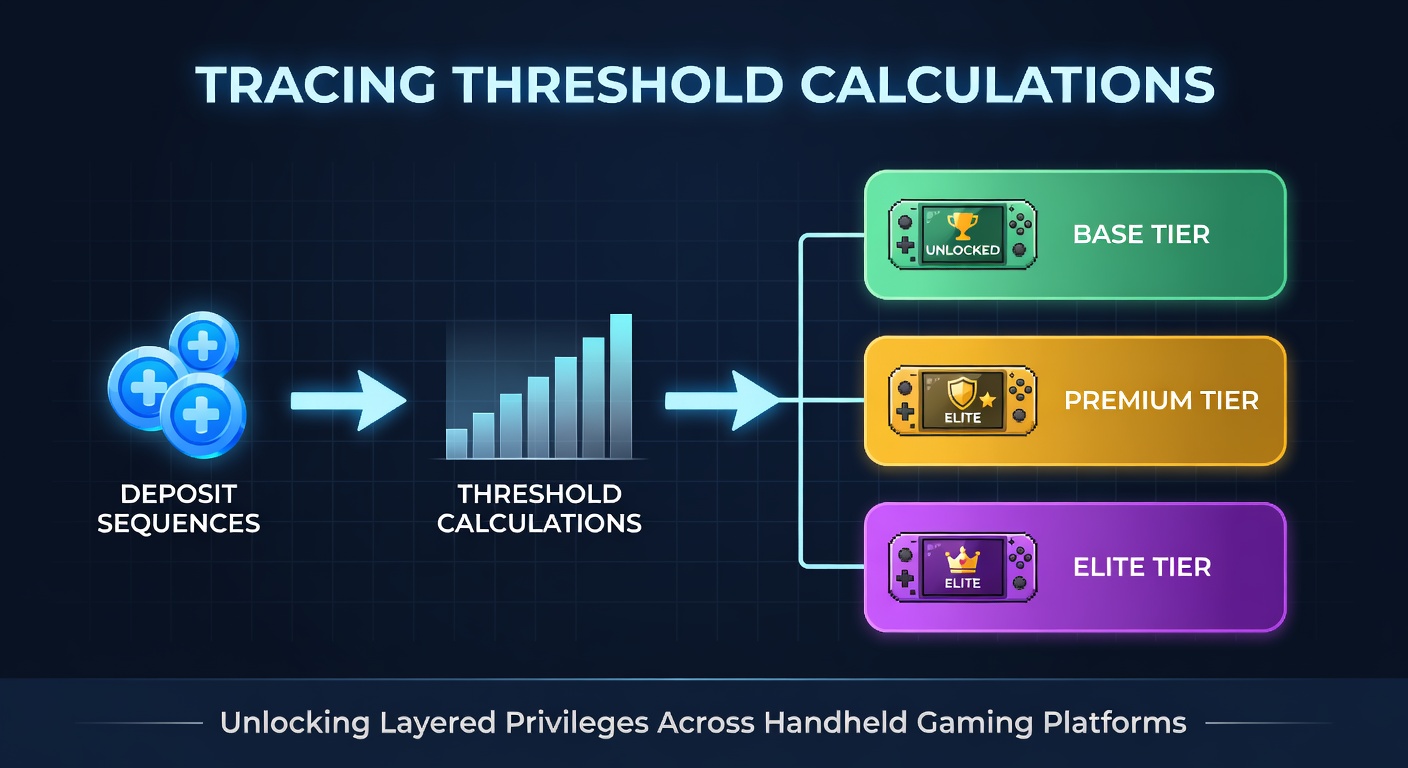
By May 2026, several major operators had refined their sequence models to include predictive elements that estimate future threshold crossings based on recent deposit patterns. This update enables users to view projected privilege advancements directly within app interfaces. The European Gaming and Betting Association has documented similar developments across EU-regulated markets, where cross-border handheld platforms apply standardized calculation protocols to meet regional compliance requirements while preserving user progression continuity.
Algorithmic Factors in Threshold Determination
Calculation engines evaluate multiple variables simultaneously when processing deposit sequences. Primary inputs include raw deposit values, interval spacing between transactions, and platform-specific multipliers tied to promotional periods. Secondary factors encompass user account age and historical engagement rates, which adjust the effective threshold boundaries in real time. Observers note that these layered computations prevent abrupt privilege jumps while ensuring steady advancement for consistent depositors.
Implementation varies by ecosystem size. Smaller platforms tend to rely on fixed percentage-based thresholds, whereas larger networks deploy machine learning adjustments that respond to collective deposit trends across their user base. This distinction influences how quickly users move between privilege layers when operating on different handheld applications.
Regional Variations in Sequence Models
North American platforms often emphasize volume-driven thresholds that prioritize total deposit accumulation over time. In contrast, Asian markets have incorporated frequency weighting more prominently, according to reports from regional gaming research groups. Australian operators, regulated under frameworks from state authorities, apply hybrid models that blend both elements with additional safeguards for session limits. These differences reflect local regulatory priorities while maintaining core sequence logic that tracks deposits toward privilege unlocks.
Cross-device synchronization remains essential regardless of regional approach. Users who begin a deposit sequence on one handheld device and continue on another experience seamless threshold updates because systems reconcile data through cloud-based verification processes. This continuity supports the expansion of privilege layers across entire gaming networks.
Conclusion
Threshold calculations within deposit sequences continue to shape how layered privileges activate across handheld gaming ecosystems. The integration of frequency, volume, and timing metrics creates structured pathways that operators refine through ongoing data analysis. As platforms evolve their models, particularly with updates observed in May 2026, these systems maintain consistent mechanics that connect deposit activity directly to privilege advancement while operating within diverse regulatory landscapes.