Unraveling Authentication Sequences That Grant Entry to Cumulative Prize Structures Across Handheld Gaming Applications and Real-Time Host Interactions
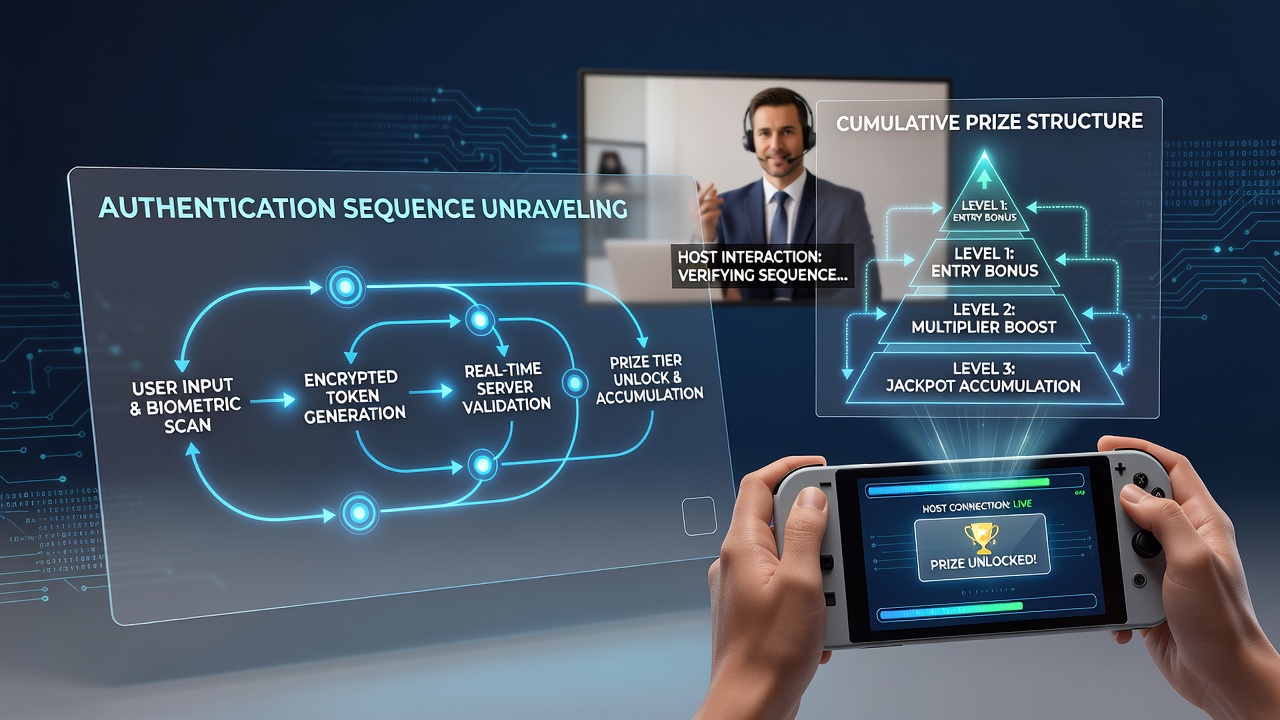
Authentication sequences in handheld gaming applications serve as the primary gateway to cumulative prize structures that build across multiple players adn sessions, while also unlocking real-time interactions with live hosts in dealer environments. These sequences typically combine device-level verification with account-based protocols to confirm user identity before granting access to progressive jackpot pools or layered reward systems that accumulate contributions from networked games.
Core Components of Mobile Authentication Flows
Handheld platforms initiate the process through initial registration that captures user details and links them to secure tokens, after which multi-factor elements such as one-time passwords sent via SMS or email confirm the account before any prize-related features activate. Once established, biometric options including fingerprint scans or facial recognition replace repeated credential entry, allowing seamless transitions into sessions where cumulative prize meters continue to grow from ongoing wagers across connected devices.
Systems integrate these steps with backend databases that track contribution percentages from each spin or bet, ensuring that authenticated users receive proportional shares when jackpots trigger, and observers note that such integration reduces latency during live dealer transitions where real-time host interactions require immediate verification to participate in shared prize rounds.
Integration with Live Host Environments
Real-time host interactions demand elevated authentication layers because they connect mobile users directly to streamed dealer tables, where cumulative prizes may include side bets or community jackpots that draw from both slot and table activity. Protocols often employ session tokens that persist across app switches, maintaining continuity as players move from automated reel games to live sessions without re-entering full credentials each time.

Data from industry analyses indicates that platforms updated their token refresh mechanisms by mid-2026 to handle higher volumes of concurrent live connections, particularly during peak periods when cumulative structures reach elevated thresholds. This approach allows handheld users to maintain verified status while engaging hosts in real time, with the sequences automatically validating eligibility for prize entries tied to loyalty tiers or deposit histories.
Security Protocols Supporting Prize Access
Encryption standards wrap authentication sequences to protect data flows between handheld applications and central servers that manage prize accumulation, and regulatory frameworks in regions such as New Jersey require documented audit trails for every verification event linked to jackpot claims. Researchers examining these systems have documented how adaptive risk scoring evaluates login patterns, flagging anomalies before users reach cumulative prize interfaces or live host lobbies.
One study from academic sources highlighted the role of device fingerprinting in these sequences, where hardware identifiers combine with behavioral analytics to grant or restrict entry to shared reward pools, and figures from similar examinations reveal reduced unauthorized access rates when such combined methods operate together. Platforms further layer geolocation checks during live interactions to align with jurisdictional rules governing prize distribution.
Progression Through Verification Stages
Users encounter staged verification that escalates based on activity level, beginning with basic account linkage and advancing to full identity confirmation when cumulative prize balances exceed certain thresholds or when live host sessions involve higher-stakes elements. This staged model ensures that entry to networked jackpot systems occurs only after sequential checks confirm ongoing compliance with platform rules.
Industry reports from organizations tracking global gaming trends show that July 2026 saw increased adoption of passwordless authentication options across major providers, streamlining access to prize structures without sacrificing the verification depth required for real-time host environments. Those sequences often conclude with a final confirmation screen displaying current cumulative totals before gameplay or interaction begins.
Conclusion
Authentication sequences continue to evolve as the foundation for secure entry into cumulative prize structures within handheld applications and live host interactions, relying on layered protocols that balance user convenience with regulatory compliance and technical safeguards. Data indicates these systems support the growth of shared reward pools by validating participants at each stage, from initial registration through ongoing session management, while maintaining the integrity of real-time connections across mobile networks.