Unraveling Verification Protocols and Their Impact on Access to Elevated Perks in Cross-Platform Entertainment Networks

Verification protocols form the backbone of user authentication across interconnected entertainment platforms where loyalty programs and premium features span multiple devices and services, and these systems determine who gains entry to elevated rewards such as exclusive content libraries or accelerated point multipliers. Platforms operating in this space rely on layered checks that include identity confirmation through government-issued documents, biometric matching, and behavioral pattern analysis to comply with regional standards while managing risk exposure.
Core Components of Modern Verification Systems
Cross-platform networks integrate several verification layers that begin with initial account creation and extend through ongoing monitoring cycles, so users encounter requirements for email validation followed by photo ID uploads and sometimes live facial scans before they unlock higher membership tiers. Data from these processes feeds into centralized ledgers that sync across partner services, which means a verified status achieved on one platform can influence access levels on another without requiring repeated submissions. Research indicates that by May 2026 many networks had adopted standardized APIs for real-time status sharing, reducing redundant checks while maintaining audit trails demanded by oversight bodies.
Biometric elements add speed to the process because fingerprint or facial recognition replaces manual form filling in mobile applications, yet these tools demand secure storage protocols to prevent breaches that could compromise perk eligibility. Observers note that platforms using blockchain-based ledgers for verification records allow users to carry portable credentials between services, which streamlines transitions for those seeking VIP benefits like priority event access or customized reward catalogs.
How Verification Shapes Perk Accessibility
Elevated perks in these networks often hinge on verified account status because unconfirmed profiles remain restricted to basic features, preventing accumulation of points toward premium redemptions until full compliance occurs. A user who completes verification early gains immediate entry to tiered reward structures, whereas delays from document review queues can postpone access by days or weeks depending on regional processing volumes. Studies from academic institutions tracking digital entertainment ecosystems show that verification completion rates directly correlate with higher engagement metrics in loyalty programs, since verified accounts receive tailored offers unavailable to others.
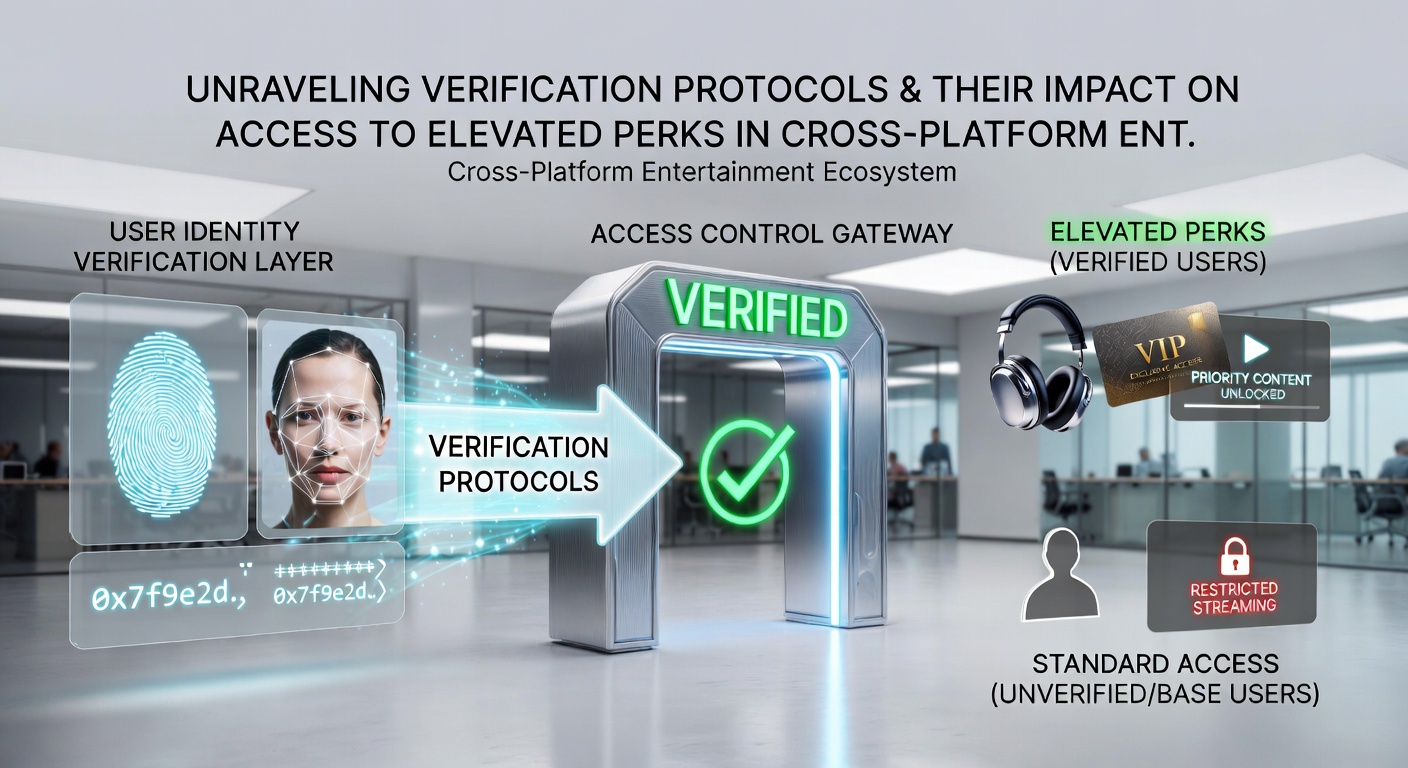
Cross-device synchronization introduces additional variables because a verification completed on a desktop interface must propagate correctly to mobile and smart TV applications before perk activation registers across the board. Network operators address this through unified dashboards that display verification progress and pending requirements, allowing users to address gaps before attempting to claim rewards. Industry reports highlight that platforms incorporating automated status updates have seen reduced support ticket volumes related to perk denials stemming from mismatched verification states.
Regional Regulatory Influences on Protocol Design
Regulators in different jurisdictions impose varying requirements that shape how networks implement verification, so operators serving global audiences maintain region-specific modules within their systems. The Australian Communications and Media Authority has outlined guidelines for digital identity handling in entertainment services that emphasize consumer consent and data minimization, while similar frameworks in Canada stress transparency around cross-border data flows. These rules affect perk structures because networks must segment access based on verified geographic eligibility to avoid compliance violations that could restrict reward distribution.
By May 2026 several networks had expanded partnerships with third-party verification providers to meet updated standards emerging from multiple regions simultaneously, creating more robust but sometimes slower onboarding sequences. Users in high-regulation areas often face stricter initial hurdles before accessing cross-platform bonuses, yet once verified they enjoy seamless perk transfers that less-regulated environments cannot always match.
Technical Challenges and Evolving Solutions
Interoperability between legacy verification systems and newer platforms creates friction points where perk eligibility data fails to transfer accurately, leading operators to deploy middleware solutions that reconcile discrepancies in real time. Those who've studied these networks observe that machine learning models now flag potential verification inconsistencies before they block reward claims, which improves user retention in competitive markets. Security protocols around stored verification data continue to advance because breaches carry consequences that extend beyond fines to include suspended perk programs across connected services.
One case involved a major entertainment consortium that integrated AI-assisted document analysis to cut verification times, allowing quicker progression to elevated loyalty levels for users who submitted clear documentation on the first attempt. Such improvements demonstrate how protocol refinements directly expand access windows for premium features without compromising the integrity checks required by oversight entities.
Conclusion
Verification protocols continue to evolve as cross-platform entertainment networks expand their reach, balancing security demands with the need for fluid access to elevated perks that drive user loyalty. Data sharing mechanisms and regulatory alignment determine how quickly participants move from basic engagement to premium reward tiers, while technological upgrades like biometrics and portable credentials reduce friction over time. Those monitoring these developments note that future refinements will likely focus on further automation to maintain compliance across regions while preserving the interconnected perk ecosystems users expect.